
189
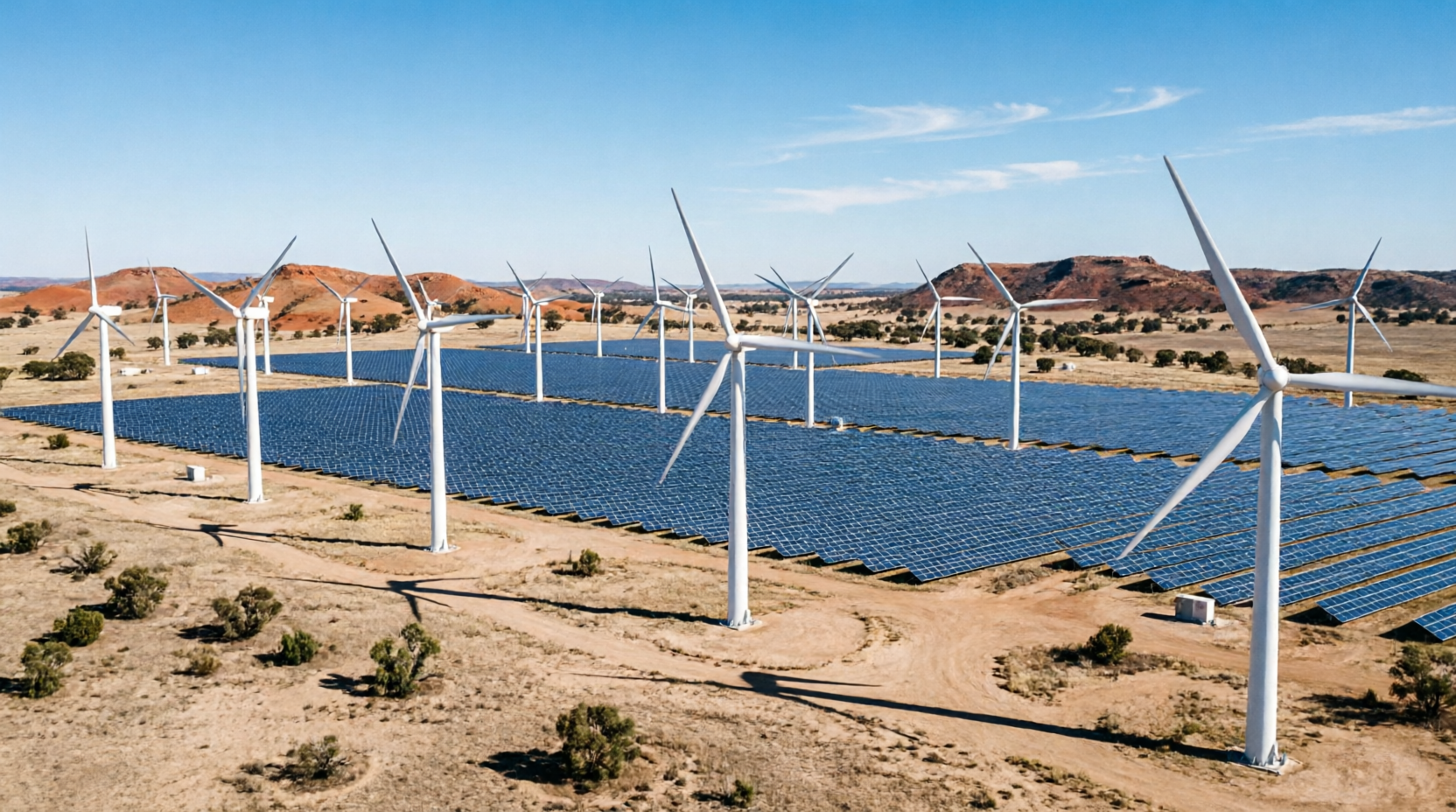
Furthermore, the bipartisan framework includes provisions for the development of green hydrogen hubs, positioning Australia as a global leader in this emerging industry. By leveraging the country’s abundant solar and wind resources, these hubs will produce clean hydrogen for domestic use and for export to international markets. The government has secured preliminary agreements with key trading partners in Asia and Europe, creating a clear pathway for the export of Australian green hydrogen. This strategic focus not only supports the domestic energy transition but also opens up significant new export revenue streams.
Environmental groups have cautiously welcomed the initiative, noting that while the acceleration of renewable energy is positive, it must be accompanied by rigorous environmental protections. The government has committed to implementing strategic biodiversity assessments for renewable energy zones, ensuring that projects are sited in areas with the lowest environmental impact. By taking a proactive approach to environmental management, the initiative aims to balance the urgent need for clean energy with the imperative to protect Australia’s unique natural heritage.
As the initiative moves into its implementation phase, regular progress reports will be published to ensure transparency and accountability. Prime Minister Albanese concluded the launch by emphasizing that this bipartisan effort is a testament to what can be achieved when political differences are set aside in the national interest. “By working together, we are not only securing a reliable and affordable energy supply for the future, but we are also building a cleaner, stronger, and more prosperous Australia for generations to come,” he stated. The successful launch of this initiative marks a critical milestone in Australia’s journey towards a sustainable and resilient energy system.