
187
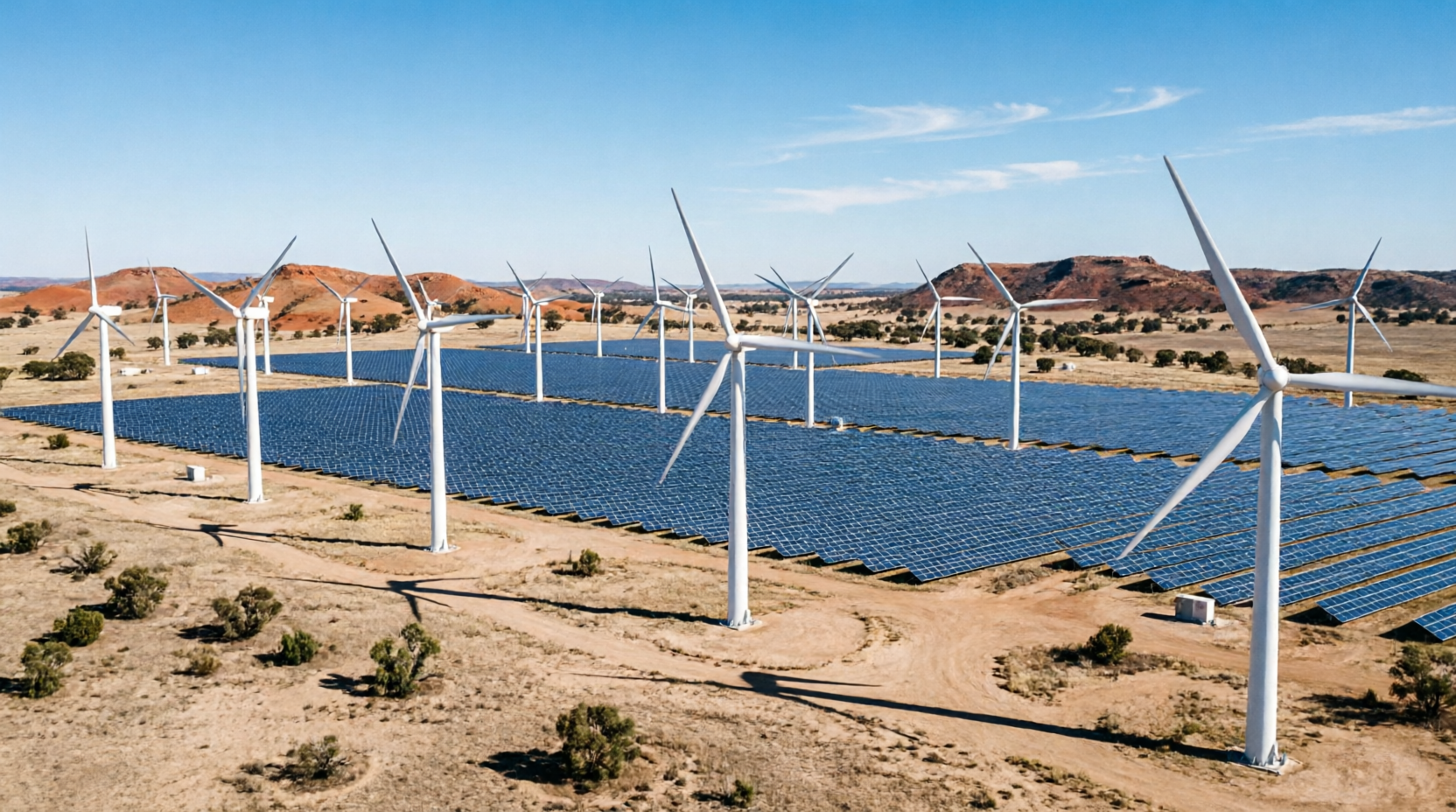
In a rare and highly significant display of political unity, federal and state leaders have officially launched a new bipartisan initiative aimed at accelerating renewable energy projects across all Australian states. The collaborative framework, championed by Prime Minister Anthony Albanese and strongly supported by state premiers, seeks to streamline the complex approval process for solar, wind, and green hydrogen facilities. “Climate change and the energy transition are not partisan issues; they are fundamental national imperatives that require a unified and decisive response,” Albanese remarked during the joint press conference in Canberra. The initiative establishes a dedicated national task force to coordinate critical infrastructure upgrades, ensuring that the national electricity grid can efficiently handle the massive influx of renewable capacity.
Minister for Climate Change and Energy, Chris Bowen, detailed the operational mechanics of the new framework, emphasizing that it will significantly reduce the time it takes to get major renewable projects from proposal to construction. The initiative includes targeted funding for regional communities that are hosting these projects, ensuring that they reap direct economic benefits through community dividend funds and local infrastructure upgrades. By addressing the concerns of regional residents, the government aims to build strong local support for the energy transition, transforming potential points of friction into opportunities for shared prosperity. The task force will also work to resolve land-use conflicts, ensuring that agricultural productivity and environmental conservation are maintained alongside energy development.
Industry leaders and renewable energy advocates have widely praised the bipartisan approach, noting that long-term political certainty is absolutely crucial for attracting the massive private investment required to rebuild the energy system. The Australian Renewable Energy Agency (ARENA) and the Clean Energy Finance Corporation (CEFC) will play pivotal roles in the initiative, providing co-investment and financial guidance to de-risk new projects. By aligning federal and state regulatory frameworks, the initiative will eliminate duplicative processes and create a more predictable environment for developers. This unified strategy is expected to significantly advance Australia’s transition to net-zero emissions while creating tens of thousands of sustainable, high-paying jobs.
A key component of the initiative is the “Rewiring the Country” program, which focuses on building the transmission lines necessary to connect renewable energy zones to population centers. The government has committed to co-funding these critical transmission projects with the states, ensuring that the physical infrastructure keeps pace with generation capacity. State premiers have welcomed this financial commitment, noting that transmission upgrades have historically been a bottleneck for renewable development. By accelerating these projects, the initiative will help to lower wholesale electricity prices, providing long-term cost relief to households and businesses across the nation.
The initiative also places a strong emphasis on workforce development and job transitions for workers in the traditional fossil fuel industry. A new national skills fund will be established to provide retraining and upskilling opportunities, ensuring that workers can seamlessly transition into the renewable energy sector. The government has partnered with trade unions and industry bodies to design training programs that meet the specific needs of the new energy economy. This focus on a “just transition” ensures that no community is left behind as the nation moves towards a cleaner, more sustainable energy future.