Home Politics
Category:

Politics

Advertisement

Something unusual has been happening around Anthony Albanese.

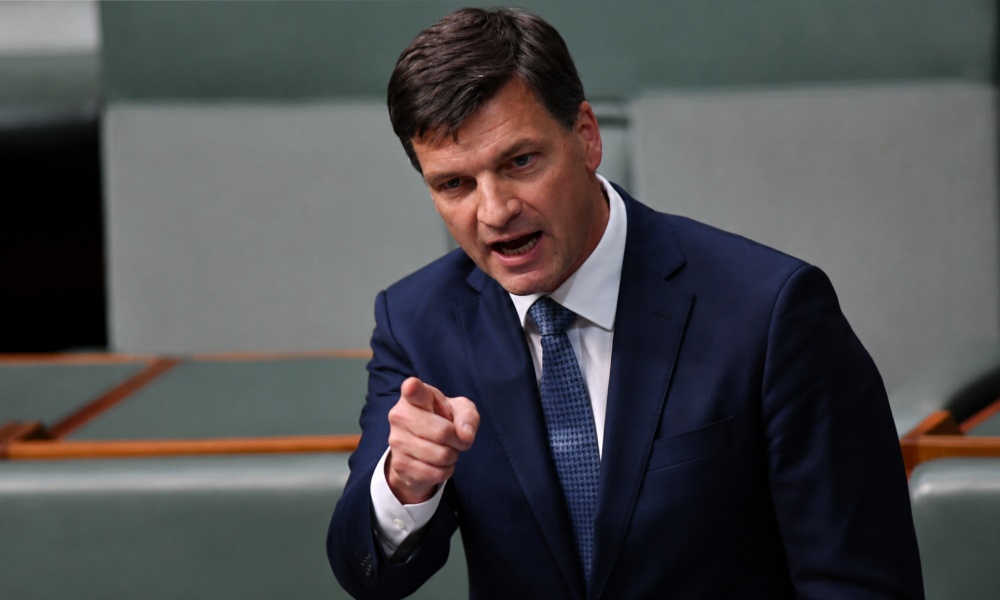
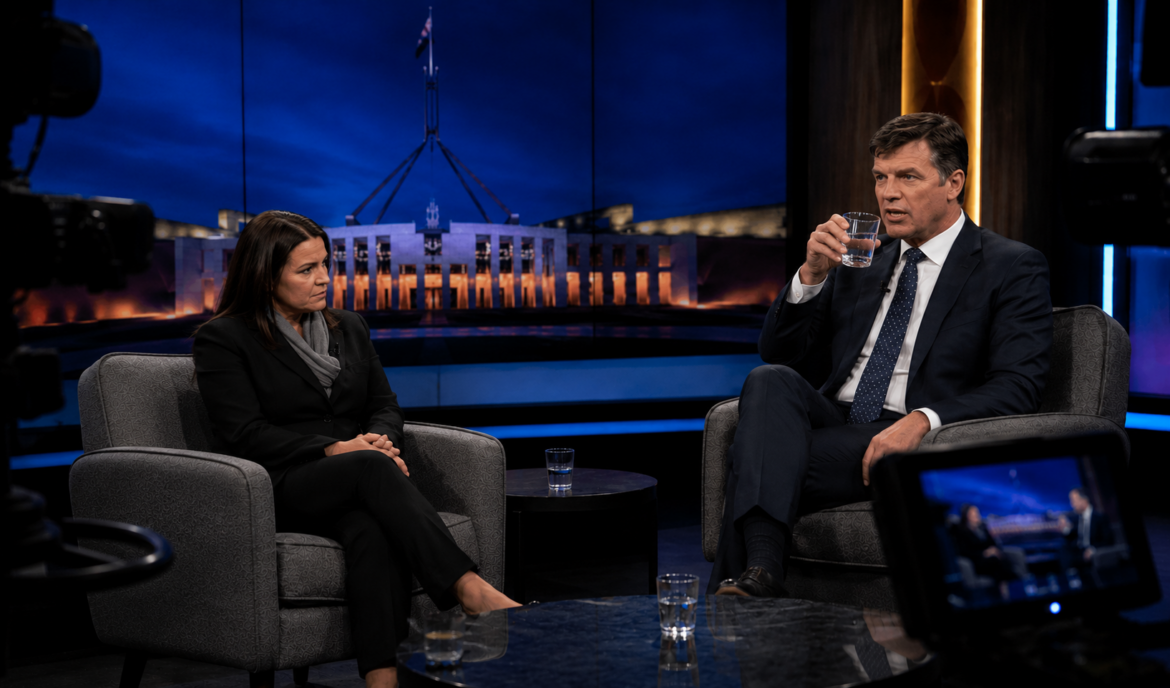
The Australian Prime Minister, who spent much of the previous parliamentary term attacking the Coalition for opposing Labor’s agenda, has suddenly found himself sitting across the table from Opposition Leader Angus Taylor and making deals.

Not on one minor piece of legislation.

On several politically difficult issues at once.

Gambling advertising, the NDIS and other reforms have produced a rare period of cooperation between Labor and the Coalition — an unexpected development as Australia moves deeper into Albanese’s second term.

But behind the cooperation lies a much larger political calculation.

Because while Albanese is clearing some difficult legislation from his agenda, several potentially explosive battles are still waiting.

Something Changed in Canberra

For years, Albanese enjoyed portraying his political opponents as the party that simply said “no”.

During Peter Dutton’s leadership, the Prime Minister repeatedly used that argument against the Coalition.

Angus Taylor is proving more difficult to characterise in the same way.

In August, Taylor and Albanese held a series of meetings that produced agreements across several major policy areas.

ABC political analysis described it as a rare display of bipartisanship.

The two sides found common ground on gambling regulation, changes to the NDIS, measures involving payments from social-media companies to news organisations and legislation concerning negatively geared property after the death of a partner.

For Australians accustomed to seeing Canberra dominated by confrontation, the shift was difficult to miss.

Gambling Became One of the Biggest Tests

One of the most politically sensitive negotiations concerned gambling advertising.

Pressure had been building on the government to strengthen its approach, particularly around inducements such as bonus bets designed to encourage people to gamble.

Labor ultimately reached a bipartisan agreement with the Coalition.

The resulting framework does not amount to the complete advertising ban demanded by some campaigners, and critics remain dissatisfied.

But Albanese’s government succeeded in getting legislation through Parliament and ending, at least for now, a debate that had become increasingly uncomfortable for Labor.

That required compromise.

And compromise has increasingly become part of Albanese’s strategy.

Then Came the NDIS

The National Disability Insurance Scheme presented an even larger challenge.

Its costs have continued to grow rapidly, leaving the government under pressure to demonstrate that the scheme remains financially sustainable without abandoning Australians who depend upon it.

Labor’s controversial changes eventually passed the Senate after the government reached an agreement with the Coalition and tabled 63 amendments.

The political consequences could be enormous.

As the new system is implemented, Australians with disabilities and their families will be watching closely for reductions or changes to support.

The government therefore secured something valuable by bringing the Coalition into the agreement: shared political responsibility for one of Canberra’s most difficult reforms.

For Albanese, that could prove extremely important later.

But There Are Lines He Is Not Willing to Cross

The Prime Minister’s willingness to negotiate does not mean everything is suddenly open for discussion.

That became clear during his visit to Western Australia.

An interim Productivity Commission report questioned the existing arrangements governing the distribution of GST revenue, arguing that the current system gives Western Australia too much.

Albanese’s response was straightforward.

The deal would not be rewritten.

His government openly pushed back against the commission’s proposal, with Resources Minister Madeleine King also criticising its approach.

The episode revealed the other side of Albanese’s current strategy.

He may be prepared to negotiate when compromise helps move legislation through Parliament.

But on politically sensitive commitments — particularly those involving Western Australia — he can still draw a firm line.

Why Albanese Is Doing Deals Now

Timing matters.

ABC’s David Speers noted that the government wanted to get several agreements with the Coalition completed together.

There was a reason.

Much more contentious political territory is approaching.

Immigration, housing, superannuation, taxation, data centres and other issues are expected to produce significantly more confrontation as the parliamentary term progresses.

The closer Australia moves toward another federal election, the less incentive Labor and the Coalition will have to cooperate.

Albanese therefore has an opportunity now that may not exist later.

Clear difficult legislation.

Share political responsibility where possible.

Then prepare for the fights that cannot be avoided.

Angus Taylor Changes the Equation

There is another important element in this story.

The Opposition Leader sitting across from Albanese is no longer Peter Dutton.

Taylor became Liberal leader in February 2026 and has been trying to rebuild a party facing pressure not only from Labor but from Pauline Hanson’s One Nation.

That creates an unusual overlap in political interests.

Taylor needs to demonstrate that the Liberal Party is capable of governing rather than simply protesting.

Albanese needs votes in the Senate for legislation that Labor cannot always pass alone.

For a brief period, those interests have aligned.

ABC reported that Taylor had said “yes” multiple times following meetings with Albanese, making it harder for Labor to repeat its old argument that the opposition simply blocks everything.

That does not make the two leaders allies.

It makes them useful to one another — for now.

The Political Risks Have Not Disappeared

There is a danger for Albanese in this strategy.

Compromise can help a government pass legislation, but it also means accepting responsibility for what happens afterwards.

NDIS reform is the clearest example.

If Australians begin reporting that essential support has disappeared, Labor will face the consequences regardless of whether the Coalition supported the legislation.

The same applies to gambling reform.

Campaigners demanding a complete advertising ban have already been left disappointed by the compromise reached in Canberra.

Passing legislation therefore does not necessarily end the political argument.

Sometimes it merely begins the next stage.

A Different Anthony Albanese Is Emerging

Albanese’s first term was dominated by a different political environment.

His government was new. Peter Dutton led the opposition. Labor could frequently present itself as attempting to implement its agenda against a Coalition determined to resist it.

The environment in 2026 is more complicated.

Taylor is attempting to position the Liberals as a constructive alternative government.

One Nation is competing aggressively for conservative voters.

And Labor itself must defend a record accumulated over more than four years in office.

That changes the Prime Minister’s job.

He is no longer simply explaining what his government intends to do.

He must increasingly defend what it has already done — while deciding which battles are worth fighting next.

The Quiet Strategy Behind a Very Busy August

Nothing about the past few weeks suggests Anthony Albanese is retreating from politics or facing some sudden personal crisis.

What is happening is more interesting politically.

Australia’s Prime Minister appears to be using a relatively brief period of parliamentary cooperation to move some of the government’s most difficult business off the table before the political environment becomes considerably more hostile.

The agreements with Angus Taylor demonstrate that Albanese is willing to compromise when he believes the result is worth it.

His rejection of changes to Western Australia’s GST arrangements demonstrates that there are still areas where he will not.

Together, those decisions provide a clearer picture of the Prime Minister entering the middle of his second term.

The question is whether the strategy will still work when cooperation in Canberra inevitably gives way to confrontation.

Because the easiest deals may now be behind him.

Advertisement

For Angus Taylor, the past few weeks have brought an unusual combination of political pressure, uncomfortable questions and unexpected headlines.

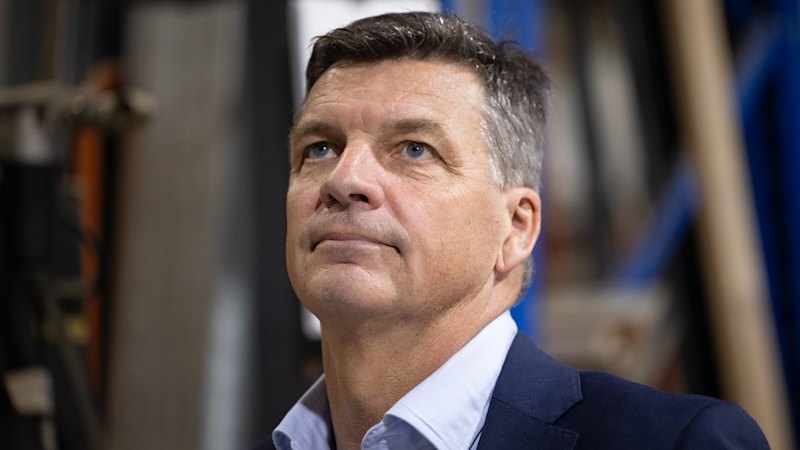
Only months after taking control of the Liberal Party and becoming Australia’s Opposition Leader, Taylor is attempting to rebuild a political movement still searching for its direction after a difficult period.

But August has demonstrated just how complicated that task may become.

His party is confronting the growing challenge of Pauline Hanson’s One Nation, a corruption inquiry in New South Wales has generated questions involving figures connected to the Liberal Party, and Taylor himself has found his name drawn into evidence examined by investigators.

Then, in a completely different episode, the Opposition Leader ended up injured after coming off his bicycle during a charity ride.

None of these developments means Taylor’s leadership is ending.

Together, however, they have created one of the more difficult periods since he took the job.

Questions Emerging From the NSW ICAC Inquiry

One of the most serious stories has come from hearings before the New South Wales Independent Commission Against Corruption.

The inquiry is examining allegations surrounding Catholic Schools NSW and a conservative Liberal grouping known as the Reformers.

During the hearings, messages referring to an alleged $15,000 financial commitment from Taylor were examined.

Dallas McInerney, the former chief executive of Catholic Schools NSW, acknowledged that he had approached Taylor seeking financial assistance but disputed suggestions that the money was intended as an improper donation to the Reformers.

McInerney also suggested that an associate who claimed Taylor had committed the money might have been boasting or simply lying.

That distinction is important.

Taylor has not been accused of corruption by ICAC, and the evidence aired at the inquiry does not establish that he made an unlawful payment.

Taylor himself has previously insisted that no payments were made and said he is not a party to the proceedings.

Nevertheless, for an Opposition Leader trying to rebuild his party’s reputation, having his name repeatedly mentioned around a corruption inquiry is hardly a welcome development.

The Problem Is Bigger Than One Inquiry

The ICAC hearings arrived while Taylor was already confronting another political challenge.

One Nation has been competing increasingly aggressively for conservative voters who might once have naturally supported the Coalition.

Taylor has responded by drawing a clear distinction between his Liberal Party and Pauline Hanson’s movement.

He has ruled out proposals for the Coalition and One Nation to divide seats between themselves at the next federal election.

He has gone considerably further in his rhetoric as well.

In July, Taylor warned that a One Nation government would bring an “eternity of pain” and argued that Hanson’s party was incapable of delivering the solutions Australians need.

The political calculation is difficult.

Taylor needs to win back voters attracted to One Nation without allowing the Liberal Party to become indistinguishable from it.

The Battle Became Very Public

This week that rivalry received even more attention.

A new Australian political documentary examining the battle for conservative voters placed Taylor and Hanson at the centre of the story.

Taylor questioned One Nation’s fitness to govern, while Hanson argued that she was capable of becoming prime minister.

The confrontation highlighted something larger than the personalities involved: Australia’s political right is undergoing a struggle over which party can best represent conservative voters.

For Taylor, the stakes are particularly high.

He did not inherit the Liberal leadership while the party was in a position of strength.

He became leader in February after defeating Sussan Ley in a leadership spill, having argued that the party needed fundamental change.

His own political future is therefore closely connected to whether that rebuilding project succeeds.

Then Came a Very Different Kind of Fall

Amid all of this political pressure, Taylor generated headlines for a reason nobody could have predicted.

While taking part in the Pollie Pedal charity cycling event in Queensland, the Opposition Leader came off his bicycle.

Taylor suffered minor injuries and later acknowledged that he was sore, particularly around his hip and muscles.

But there was no dramatic hospitalisation or serious medical emergency.

Instead, Taylor continued the ride.

Pollie Pedal is a long-running charity event founded by former prime minister Tony Abbott. This year’s approximately 1,000-kilometre ride is supporting Wandering Warriors, which assists Australian special forces veterans.

For an experienced cyclist like Taylor, the accident provided a surprisingly human interruption to an otherwise intensely political few weeks.

But the Political Pressure Has Not Gone Away

The much more consequential questions are waiting for him back in Canberra.

Taylor remains Opposition Leader and Member for Hume. His position is confirmed by both parliamentary records and the Liberal Party itself.

There has been no announcement that he is resigning.

There is no evidence that his political career has suddenly ended.

And the ICAC inquiry has not accused him of corrupt conduct.

But none of that makes his present situation easy.

Taylor must rebuild Liberal support while simultaneously competing with One Nation, maintaining Coalition unity and responding to questions arising from controversies involving figures within the broader Liberal organisation.

There is also pressure from within his own ranks.

Andrew Hastie continues to attract attention as an alternative conservative figure, particularly through his willingness to directly confront One Nation. Recent reporting has noted that some Liberals view him as a potential future leadership alternative to Taylor.

The Next Stage Could Define Taylor’s Leadership

When Taylor took the Liberal leadership in February, his message was essentially that the party needed to change if it wanted to survive and recover.

Six months later, that promise is being tested.

The Liberal Party is facing competition on its right. Internal arguments about its direction have not disappeared. An ICAC inquiry has generated uncomfortable headlines involving people connected to the party.

And the man responsible for navigating all of it is still relatively new to the leadership.

The bicycle accident will probably become little more than an anecdote.

The political challenges will not disappear nearly as quickly.

For Angus Taylor, the important question is therefore no longer simply how he won the Liberal leadership.

It is whether he can hold together Australia’s traditional centre-right coalition of voters while convincing those who have already walked away that there is a reason to return.

Advertisement

Australians have become accustomed to seeing Jacqui Lambie deliver passionate speeches in Parliament.

But this time was different.

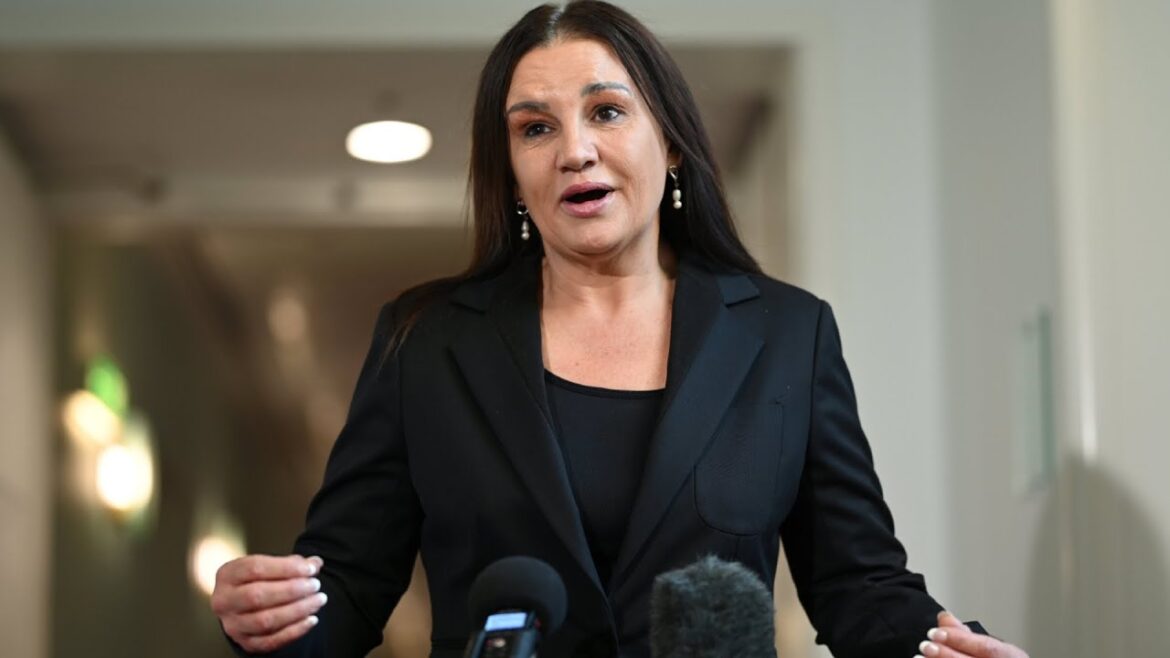
Standing in the Senate, the Tasmanian senator and former Australian Army corporal revealed intensely personal details about her own health while making an emotional appeal over the treatment of Australian veterans.

The speech quickly became about considerably more than politics.

For Lambie, it was personal.

Lambie Revealed What She Had Been Going Through

During her Senate speech on August 19, Lambie revealed that she had recently undergone surgery after suffering a severe pelvic organ prolapse.

She linked her medical problems to injuries and physical strain dating back to her years in the Australian Army.

Lambie said she had faced an urgent decision about treatment and ultimately paid approximately $7,000 herself for surgery rather than waiting for care through the Department of Veterans’ Affairs system.

It was an unusually personal disclosure from a politician already well known for speaking openly about her experiences as a veteran.

But Lambie was not telling the story simply to discuss her own health.

She wanted to make a much broader point.

Her Anger Was Directed at the Veterans’ Health System

At the centre of Lambie’s intervention was the government’s proposed $5,000 annual cap on allied health services for veterans.

She argued that the limit could have serious consequences for veterans requiring extensive ongoing treatment.

Her criticism was particularly focused on female veterans.

Lambie argued that women who have served in the military can face health problems that are poorly understood or inadequately accommodated within the existing system.

The senator became emotional as she described what she believed was a failure to properly recognise the medical consequences military service can have on women’s bodies.

At one point, she directly appealed to Prime Minister Anthony Albanese and senior ministers to reconsider the policy.

This Was Not a Typical Political Speech

Lambie’s parliamentary style has always been direct.

Yet even by her standards, the speech stood out.

Rather than relying primarily on statistics or political arguments, she used her own medical experience to illustrate what she believes other veterans can encounter when seeking treatment.

Her language was deliberately confronting.

She challenged male politicians to imagine how they would respond if they faced an equivalent medical problem themselves.

Behind the provocative language was a straightforward argument: veterans who suffer injuries or illnesses connected with their service should be able to receive the treatment they require.

The Government Was Forced to Respond

The intervention did not simply disappear after Lambie left the Senate chamber.

Veterans’ Affairs Minister Matt Keogh acknowledged problems with how the issue had been handled, although the government had not, at the time of the reports, committed to abandoning the proposed cap.

The issue therefore remains politically active.

For Lambie, that means her deeply personal disclosure has become part of a larger confrontation over how Australia supports former members of its armed forces.

There Is a Reason This Issue Means So Much to Her

Before entering politics, Lambie served in the Australian Army between 1989 and 2000.

Her military experience has subsequently become one of the defining elements of her political career.

Veterans’ affairs, Defence administration and the treatment of former service personnel have repeatedly appeared in her parliamentary work.

She has also spoken publicly about her own longstanding health problems.

Earlier this year, reports detailed severe back pain she had experienced and the treatment she required.

The latest revelation therefore adds another dimension to a story Lambie has been discussing for years.

She is not approaching veterans’ health solely as a senator examining government policy.

She is also approaching it as someone who has personally navigated the system.

And Her Political Career Is Far From Over

The emotional nature of the speech could easily create the wrong impression if separated from its context.

Lambie has not announced that she is leaving the Senate because of her health.

Official parliamentary records continue to list her as a Tasmanian senator, and she was re-elected at the 2025 federal election.

Nor has she stepped away from the Jacqui Lambie Network.

Instead, her latest appearance demonstrates that she remains actively involved in some of the political battles that have defined her career.

Why This Speech Is Likely to Be Remembered

Politicians frequently speak about health care.

It is considerably less common for them to describe their own bodies, medical procedures and experiences in such personal detail to make their argument.

Lambie chose to do exactly that.

Her disclosure transformed an argument over a $5,000 health-care cap into something much more immediate: a discussion about what happens to the men and women who carry the physical consequences of military service long after leaving the Defence Force.

Whether the government ultimately changes its policy remains to be seen.

But Lambie’s message was unmistakable.

After years of campaigning for veterans, she was no longer speaking only about what she had heard from other former soldiers.

This time, she was telling Parliament what had happened to her.

Advertisement

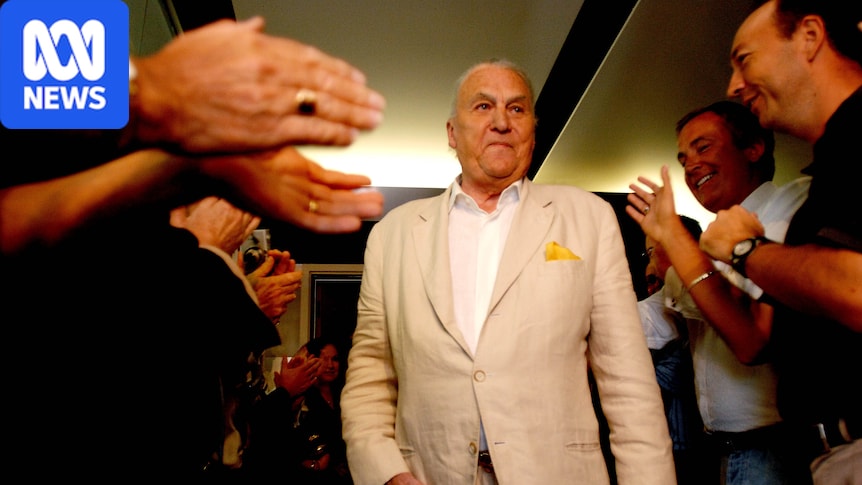
For generations of Australians, John Laws was more than a familiar name on the radio.

His unmistakable deep voice accompanied morning routines, long drives and political debates for decades, earning him one of the most famous nicknames in Australian broadcasting — the “Golden Tonsils”.

By the time Laws finally stepped away from the microphone in 2024, his broadcasting career had lasted an extraordinary 71 years.

Less than a year later, Australia was saying goodbye to one of the most recognisable voices in its media history.

John Laws died on 9 November 2025 at the age of 90.

The Final Chapter Had Already Begun

Laws had retired before.

In 2007, after decades at the centre of Australian commercial radio, he announced his departure from broadcasting. But retirement did not last.

He eventually returned to the microphone and continued presenting on Sydney station 2SM, demonstrating just how difficult it was to separate the broadcaster from the medium that had defined much of his life.

Then, in October 2024, Laws announced that the time had finally come.

At 89, he told listeners he would leave radio for good.

His final programme was broadcast on 8 November 2024.

This time, there would be no comeback.

Seventeen Prime Ministers And Countless Conversations

The scale of Laws’ career is difficult to capture simply by counting the years.

He interviewed 17 Australian prime ministers and became part of the country’s political conversation at a time when talkback radio possessed enormous influence over public opinion.

Politicians knew that an appearance with Laws could reach an audience far beyond Canberra.

But politics was only one part of his programme.

Listeners called him about relationships, money, family problems and everyday frustrations. At other times, conversations moved between national controversies, music and Laws’ own opinions about Australian life.

That mixture helped turn his programme into something that felt unusually personal to many regular listeners.

He Was Never A Broadcaster Everyone Agreed With

Any account of John Laws’ career would be incomplete without its controversies.

His willingness to express strong opinions was part of his appeal, but it repeatedly placed him at the centre of public criticism.

The most consequential episode came with the late-1990s “cash for comment” affair, when it emerged that commercial arrangements existed involving companies receiving favourable commentary on talkback radio.

The controversy triggered a major Australian Broadcasting Authority inquiry and became one of the defining media ethics stories of the era.

Other remarks made by Laws during his long career also attracted complaints and criticism.

It meant that his legacy was never going to be simple.

To admirers, he represented an era when broadcasters possessed distinctive personalities and were prepared to challenge their guests.

To critics, some of his broadcasts demonstrated exactly why powerful media figures needed greater accountability.

Both became parts of the John Laws story.

Behind The Famous Voice Was A More Complicated Figure

Away from the confrontational image associated with talkback radio, Laws occasionally spoke publicly about deeply personal experiences.

One of the most significant was depression.

His willingness to discuss his own experience revealed a markedly different side of a broadcaster usually associated with confidence and authority.

Laws also pursued interests well beyond current affairs.

He published poetry, recorded music, appeared on television and even produced a cookbook.

Yet whatever else he attempted, radio remained the constant.

Then The Microphone Finally Went Silent

When Laws delivered his final programme in November 2024, Australia was not simply watching another presenter retire.

It was witnessing the end of a broadcasting career that had begun when radio occupied a completely different place in Australian life.

Television expanded.

FM radio arrived.

The internet transformed journalism.

Podcasts and social media changed how audiences encountered personalities and political opinions.

Laws remained on air through all of it.

That longevity helps explain why news of his death the following year carried significance beyond the radio industry.

An Era That Cannot Easily Be Recreated

Modern Australian media bears little resemblance to the industry John Laws entered as a young broadcaster.

Audiences are fragmented across television, streaming services, podcasts and social platforms. It is increasingly difficult for a single radio personality to command the kind of national recognition that Laws enjoyed at the height of his career.

His influence was also inseparable from his controversies.

Remembering John Laws therefore does not require pretending that Australians agreed about him.

Many certainly did not.

But after more than seven decades behind a microphone, his place in Australian broadcasting history is difficult to dispute.

For millions of listeners, that voice was simply part of Australian radio.

And after 71 years, it was finally gone.

Advertisement

Political debates rarely boil down to a simple dispute over figures. More often than not, they are underpinned by differing views on how the country should develop and which decisions are likely to yield results in the long term.

This is precisely why the latest public statements by Jacqui Lambie and Angus Taylor have once again drawn attention to issues that remain relevant to millions of Australians.

Despite their differing political views, both regularly address issues such as the cost of living, public spending, tax policy and the business environment. It is precisely these issues that are now at the heart of the debate on the future of Australia’s economy.

The Economy as the Main Political Issue

In recent years, the economic agenda has changed significantly.

Whereas the focus used to be on growth rates and macroeconomic indicators, today the conversation increasingly centres on household budgets, housing costs, food prices, utility bills and access to credit.

In this context, every public statement made by leading politicians inevitably becomes part of a wider debate.

Jacqui Lambie regularly highlights how economic decisions affect the lives of ordinary citizens, veterans and people in regional areas.

Angus Taylor, for his part, focuses on issues of productivity, public spending, business support and the long-term sustainability of the economy.

Two Approaches to One Problem

Although politicians’ assessments of the current situation differ, both agree on the need to seek solutions that can ensure stability in the future.

Some believe that the main priority remains reducing the financial burden on families and improving the effectiveness of government programmes.

Others emphasise the need to create conditions for economic growth, investment and the development of the private sector.

It is precisely this difference in approach that continues to shape the political debate.

Why Interest in This Topic Remains Strong

Economic issues remain one of the most widely discussed topics in the country.

Any changes relating to taxes, public spending or the cost of living quickly become the focus of public attention, as they affect virtually every family.

Consequently, politicians’ comments are increasingly viewed not only as part of parliamentary debates, but also as a reflection of differing views on Australia’s future development.

What This Debate Reveals

Discussions on economic policy rarely end after a single speech or the adoption of the latest budget.

On the contrary, it continues as new data emerges, the economy changes and new initiatives are introduced.

This is precisely why the statements made by Jacqui Lambie and Angus Taylor continue to attract interest — not so much because of political differences, but because they raise issues that directly affect the lives of millions of Australians.

Today, economic policy remains one of the main topics on the public agenda, and differing views on its direction are becoming part of a wider conversation about the country’s future.

Advertisement

In a rare and highly significant display of political unity, federal and state leaders have officially launched a new bipartisan initiative aimed at accelerating renewable energy projects across all Australian states. The collaborative framework, championed by Prime Minister Anthony Albanese and strongly supported by state premiers, seeks to streamline the complex approval process for solar, wind, and green hydrogen facilities. “Climate change and the energy transition are not partisan issues; they are fundamental national imperatives that require a unified and decisive response,” Albanese remarked during the joint press conference in Canberra. The initiative establishes a dedicated national task force to coordinate critical infrastructure upgrades, ensuring that the national electricity grid can efficiently handle the massive influx of renewable capacity.
Minister for Climate Change and Energy, Chris Bowen, detailed the operational mechanics of the new framework, emphasizing that it will significantly reduce the time it takes to get major renewable projects from proposal to construction. The initiative includes targeted funding for regional communities that are hosting these projects, ensuring that they reap direct economic benefits through community dividend funds and local infrastructure upgrades. By addressing the concerns of regional residents, the government aims to build strong local support for the energy transition, transforming potential points of friction into opportunities for shared prosperity. The task force will also work to resolve land-use conflicts, ensuring that agricultural productivity and environmental conservation are maintained alongside energy development.
Industry leaders and renewable energy advocates have widely praised the bipartisan approach, noting that long-term political certainty is absolutely crucial for attracting the massive private investment required to rebuild the energy system. The Australian Renewable Energy Agency (ARENA) and the Clean Energy Finance Corporation (CEFC) will play pivotal roles in the initiative, providing co-investment and financial guidance to de-risk new projects. By aligning federal and state regulatory frameworks, the initiative will eliminate duplicative processes and create a more predictable environment for developers. This unified strategy is expected to significantly advance Australia’s transition to net-zero emissions while creating tens of thousands of sustainable, high-paying jobs.
A key component of the initiative is the “Rewiring the Country” program, which focuses on building the transmission lines necessary to connect renewable energy zones to population centers. The government has committed to co-funding these critical transmission projects with the states, ensuring that the physical infrastructure keeps pace with generation capacity. State premiers have welcomed this financial commitment, noting that transmission upgrades have historically been a bottleneck for renewable development. By accelerating these projects, the initiative will help to lower wholesale electricity prices, providing long-term cost relief to households and businesses across the nation.
The initiative also places a strong emphasis on workforce development and job transitions for workers in the traditional fossil fuel industry. A new national skills fund will be established to provide retraining and upskilling opportunities, ensuring that workers can seamlessly transition into the renewable energy sector. The government has partnered with trade unions and industry bodies to design training programs that meet the specific needs of the new energy economy. This focus on a “just transition” ensures that no community is left behind as the nation moves towards a cleaner, more sustainable energy future.

Pages: 1 2

Advertisement

Prime Minister Anthony Albanese delivered a compelling and highly anticipated address at the National Press Club in Canberra, focusing extensively on the interconnected themes of national unity and economic resilience. Speaking to a packed room of senior journalists, industry leaders, and political commentators, Albanese outlined his government’s comprehensive vision for a stronger, more cohesive, and economically secure Australia. He began his address by praising the nation’s economic fundamentals, noting with pride that Australia currently boasts one of the lowest unemployment rates in the developed world, alongside a robust jobs market that continues to absorb new entrants. “Our economic resilience is not an accident; it is the direct result of deliberate, inclusive, and forward-looking policies that consistently put Australians first,” the Prime Minister stated confidently.
A significant portion of the address was dedicated to the concept of social cohesion, with Albanese urging citizens to embrace the country’s diverse cultural fabric as a profound source of national strength. He highlighted the success of Australia’s multicultural society, noting that diversity drives innovation, enriches our cultural landscape, and strengthens our global connections. The Prime Minister firmly rejected divisive rhetoric, emphasizing that unity does not mean uniformity, but rather a shared commitment to democratic values, mutual respect, and the rule of law. He called on all Australians to engage in constructive dialogue and to reject the polarization that is increasingly evident in other parts of the world.
Turning to the economic outlook, Albanese detailed the government’s strategy for managing inflation without triggering a recession. He explained that the Reserve Bank’s monetary policy is being supported by the government’s fiscal discipline, ensuring that public spending is targeted and does not add to inflationary pressures. The Prime Minister highlighted the importance of wage growth that is aligned with productivity, ensuring that workers receive a fair share of the economic pie without sparking a wage-price spiral. He also discussed the government’s efforts to address skills shortages through targeted migration policies and massive investments in vocational education and training.
National security and geopolitical stability were also prominent topics in the address. Albanese outlined the government’s commitment to maintaining a strong and modern defense force, capable of deterring threats and protecting national interests. He discussed the importance of the AUKUS partnership and the broader alliance network in the Indo-Pacific region, emphasizing that Australia must be prepared for a more contested and complex strategic environment. However, he also stressed that strength in defense must be paired with robust diplomatic engagement, noting that Australia will continue to advocate for peaceful resolution of disputes and the rules-based international order.

Pages: 1 2

Advertisement

Addressing the pressing economic concerns of citizens across the nation, the federal government has introduced a comprehensive cost-of-living relief package designed to provide immediate and substantial support to Australian families. Prime Minister Anthony Albanese presented the multi-billion dollar initiative in the House of Representatives, highlighting its strategic focus on reducing energy bills, providing targeted tax relief, and increasing Medicare rebates. “Australians are working hard, and it is the fundamental duty of this government to ensure their hard work translates into a better, more secure quality of life,” Albanese declared during his speech. The package is meticulously designed to alleviate the financial pressure on households while maintaining the overall stability of the national economy.
The Treasurer, Jim Chalmers, detailed the specific measures included in the package, emphasizing that they are fully funded and fiscally responsible. A central component of the relief is a significant reduction in energy bills for millions of households, achieved through targeted rebates and investments in cheaper renewable energy. The government will also implement adjustments to the tax brackets, ensuring that low- and middle-income earners keep more of their hard-earned money. Furthermore, the package includes a substantial increase in the Medicare bulk-billing incentive, aiming to make visiting a general practitioner more affordable and accessible for all Australians, particularly those holding concession cards.
Childcare subsidies have also been enhanced, providing crucial relief to young families struggling with the high costs of early childhood education. By increasing the subsidy rate and expanding the activity test, the government aims to make childcare more affordable and encourage greater workforce participation among parents. Economists have noted that this measure not only provides immediate household relief but also addresses long-term structural issues within the labor market. The opposition has welcomed the support for families but has constructively called for further action to assist small businesses facing similar cost pressures.

Pages: 1 2

Advertisement

In a significant and highly anticipated move to reinforce its geopolitical standing, the Australian government has formalized a new strategic partnership with key Pacific Island nations. The announcement, led by the Minister for Foreign Affairs, Penny Wong, and Prime Minister Anthony Albanese, marks a new era of diplomatic engagement and mutual cooperation in the region. The comprehensive partnership focuses heavily on climate resilience, maritime security, and sustainable economic development, reflecting the shared priorities and urgent challenges faced by Pacific communities. This initiative represents a cornerstone of Australia’s broader foreign policy strategy to remain the partner of choice in the Pacific.

During the recent Pacific Islands Forum, Prime Minister Albanese reiterated Australia’s unwavering commitment to being a reliable, respectful, and responsive partner. “The Pacific is our home, and our collective future depends on deep, meaningful cooperation and mutual respect,” the Prime Minister noted in his opening address to regional leaders. The agreement includes substantially increased funding for climate adaptation projects, recognizing that Pacific Island nations are on the frontlines of global climate change. Australia will provide advanced meteorological equipment, fund coastal protection infrastructure, and support renewable energy transitions to help these nations build resilience against extreme weather events.

Enhanced joint maritime patrols are another critical component of the new strategic framework, designed to combat illegal, unreported, and unregulated fishing. This illegal activity has long threatened the food security and economic stability of Pacific communities. By providing additional patrol boats, aerial surveillance capabilities, and training for local maritime forces, Australia aims to protect the rich marine resources of the region. The Minister for Foreign Affairs emphasized that securing maritime borders is essential for the sovereignty and economic prosperity of Pacific Island nations, and Australia stands ready to provide the necessary logistical and financial support.

Diplomatic experts and international relations scholars have widely praised the initiative as a proactive and necessary step that prioritizes genuine partnership over traditional aid models. By elevating the diplomatic presence and increasing the frequency of high-level visits, Australia aims to foster long-term stability and counter growing geopolitical competition in the region. The government has made it clear that its approach is not driven by zero-sum geopolitical games, but by a genuine desire to support the development and security of its Pacific neighbors. This nuanced approach has been well-received by regional leaders, who value Australia’s commitment to Pacific-led solutions.

Pages: 1 2

Advertisement

Prime Minister Anthony Albanese today unveiled a landmark infrastructure investment package aimed at revitalizing regional Australia, marking one of the most significant financial commitments to rural and remote communities in the nation’s recent history. Speaking from a major regional logistics hub in New South Wales, the Prime Minister emphasized that this historic funding will effectively bridge the long-standing connectivity and economic gap between urban centers and rural communities. The comprehensive plan allocates billions of dollars toward upgrading critical regional highways, expanding high-speed broadband access, and modernizing local transport and freight networks across the country.

“Our regional communities are the absolute backbone of this nation, driving our agricultural output and resource sectors while preserving our cultural heritage,” Albanese stated during his keynote address to a gathered assembly of local leaders. “This investment is fundamentally about building new opportunities, ensuring that every Australian, regardless of their postcode, has access to the modern infrastructure needed to thrive in the twenty-first century.” The initiative has already garnered widespread bipartisan support, with opposition leaders publicly acknowledging the critical and urgent need for targeted regional development to maintain national productivity and social cohesion.

The federal government will partner closely with state and territory authorities to fast-track these vital projects, a collaborative approach expected to create thousands of local construction and engineering jobs. Minister for Infrastructure Catherine King highlighted that the funding will specifically target freight routes, reducing supply chain bottlenecks and lowering the cost of goods for rural businesses. By upgrading key arterial roads and investing in regional rail networks, the government aims to significantly boost the efficiency of the agricultural and mining sectors, which remain crucial pillars of the national economy.

Furthermore, the package includes dedicated funding for regional hospitals and educational facilities, ensuring that population growth is matched by essential social infrastructure. The Prime Minister noted that a thriving regional economy requires more than just physical transport links; it requires robust community services that attract and retain skilled workers. New medical centers and upgraded school facilities will be prioritized in areas experiencing demographic shifts, ensuring that regional towns can support growing families and provide a high quality of life for all residents.

Pages: 1 2

Advertisement

Our Company

Name: Daily Press Pty Ltd

Official address: Congresbury, Bristol, Somerset

E-mail: info@cobalt-brook.com

Phone: +442038338852

Disclaimer

The information provided on this website is for general informational purposes only and should not be construed as professional, legal, or financial advice. Although we make every effort to ensure the accuracy and reliability of our content, news and data are subject to rapid change; we strongly encourage users to verify any critical information with official sources. Any views or opinions expressed in editorial or opinion pieces are solely those of the respective authors and do not necessarily reflect the official position of this website. Additionally, this site is entirely independent and is not affiliated with, endorsed by, or connected to any government agency or entity.

© 2026 – All rights reserved