Home Author
Author

Flynn Ashford

Advertisement

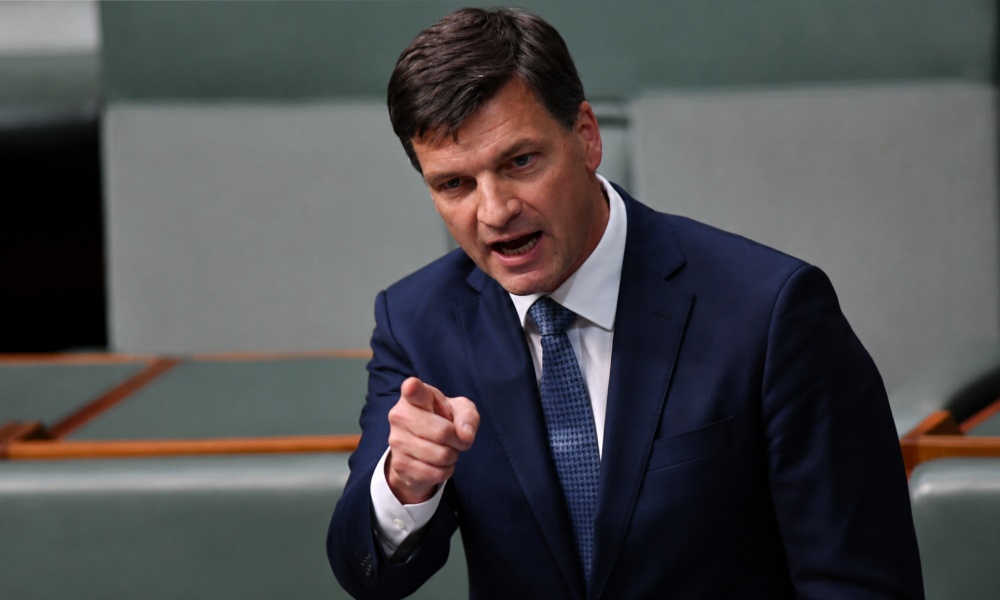
Something unusual has been happening around Anthony Albanese.

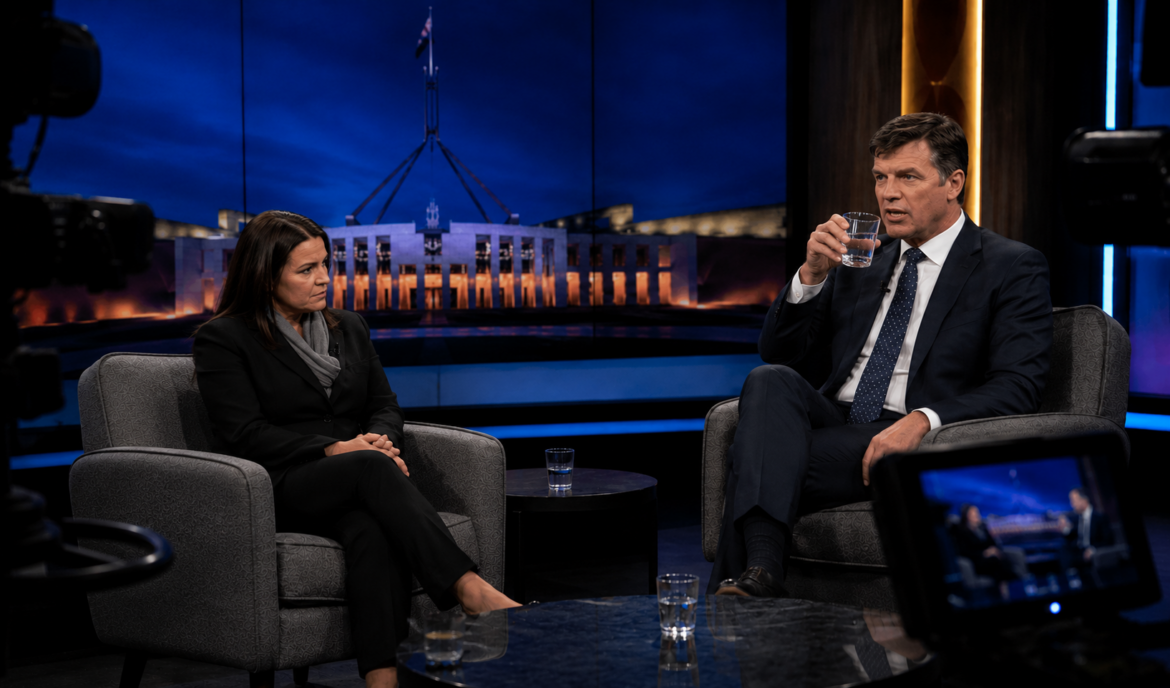
The Australian Prime Minister, who spent much of the previous parliamentary term attacking the Coalition for opposing Labor’s agenda, has suddenly found himself sitting across the table from Opposition Leader Angus Taylor and making deals.

Not on one minor piece of legislation.

On several politically difficult issues at once.

Gambling advertising, the NDIS and other reforms have produced a rare period of cooperation between Labor and the Coalition — an unexpected development as Australia moves deeper into Albanese’s second term.

But behind the cooperation lies a much larger political calculation.

Because while Albanese is clearing some difficult legislation from his agenda, several potentially explosive battles are still waiting.

Something Changed in Canberra

For years, Albanese enjoyed portraying his political opponents as the party that simply said “no”.

During Peter Dutton’s leadership, the Prime Minister repeatedly used that argument against the Coalition.

Angus Taylor is proving more difficult to characterise in the same way.

In August, Taylor and Albanese held a series of meetings that produced agreements across several major policy areas.

ABC political analysis described it as a rare display of bipartisanship.

The two sides found common ground on gambling regulation, changes to the NDIS, measures involving payments from social-media companies to news organisations and legislation concerning negatively geared property after the death of a partner.

For Australians accustomed to seeing Canberra dominated by confrontation, the shift was difficult to miss.

Gambling Became One of the Biggest Tests

One of the most politically sensitive negotiations concerned gambling advertising.

Pressure had been building on the government to strengthen its approach, particularly around inducements such as bonus bets designed to encourage people to gamble.

Labor ultimately reached a bipartisan agreement with the Coalition.

The resulting framework does not amount to the complete advertising ban demanded by some campaigners, and critics remain dissatisfied.

But Albanese’s government succeeded in getting legislation through Parliament and ending, at least for now, a debate that had become increasingly uncomfortable for Labor.

That required compromise.

And compromise has increasingly become part of Albanese’s strategy.

Then Came the NDIS

The National Disability Insurance Scheme presented an even larger challenge.

Its costs have continued to grow rapidly, leaving the government under pressure to demonstrate that the scheme remains financially sustainable without abandoning Australians who depend upon it.

Labor’s controversial changes eventually passed the Senate after the government reached an agreement with the Coalition and tabled 63 amendments.

The political consequences could be enormous.

As the new system is implemented, Australians with disabilities and their families will be watching closely for reductions or changes to support.

The government therefore secured something valuable by bringing the Coalition into the agreement: shared political responsibility for one of Canberra’s most difficult reforms.

For Albanese, that could prove extremely important later.

But There Are Lines He Is Not Willing to Cross

The Prime Minister’s willingness to negotiate does not mean everything is suddenly open for discussion.

That became clear during his visit to Western Australia.

An interim Productivity Commission report questioned the existing arrangements governing the distribution of GST revenue, arguing that the current system gives Western Australia too much.

Albanese’s response was straightforward.

The deal would not be rewritten.

His government openly pushed back against the commission’s proposal, with Resources Minister Madeleine King also criticising its approach.

The episode revealed the other side of Albanese’s current strategy.

He may be prepared to negotiate when compromise helps move legislation through Parliament.

But on politically sensitive commitments — particularly those involving Western Australia — he can still draw a firm line.

Why Albanese Is Doing Deals Now

Timing matters.

ABC’s David Speers noted that the government wanted to get several agreements with the Coalition completed together.

There was a reason.

Much more contentious political territory is approaching.

Immigration, housing, superannuation, taxation, data centres and other issues are expected to produce significantly more confrontation as the parliamentary term progresses.

The closer Australia moves toward another federal election, the less incentive Labor and the Coalition will have to cooperate.

Albanese therefore has an opportunity now that may not exist later.

Clear difficult legislation.

Share political responsibility where possible.

Then prepare for the fights that cannot be avoided.

Angus Taylor Changes the Equation

There is another important element in this story.

The Opposition Leader sitting across from Albanese is no longer Peter Dutton.

Taylor became Liberal leader in February 2026 and has been trying to rebuild a party facing pressure not only from Labor but from Pauline Hanson’s One Nation.

That creates an unusual overlap in political interests.

Taylor needs to demonstrate that the Liberal Party is capable of governing rather than simply protesting.

Albanese needs votes in the Senate for legislation that Labor cannot always pass alone.

For a brief period, those interests have aligned.

ABC reported that Taylor had said “yes” multiple times following meetings with Albanese, making it harder for Labor to repeat its old argument that the opposition simply blocks everything.

That does not make the two leaders allies.

It makes them useful to one another — for now.

The Political Risks Have Not Disappeared

There is a danger for Albanese in this strategy.

Compromise can help a government pass legislation, but it also means accepting responsibility for what happens afterwards.

NDIS reform is the clearest example.

If Australians begin reporting that essential support has disappeared, Labor will face the consequences regardless of whether the Coalition supported the legislation.

The same applies to gambling reform.

Campaigners demanding a complete advertising ban have already been left disappointed by the compromise reached in Canberra.

Passing legislation therefore does not necessarily end the political argument.

Sometimes it merely begins the next stage.

A Different Anthony Albanese Is Emerging

Albanese’s first term was dominated by a different political environment.

His government was new. Peter Dutton led the opposition. Labor could frequently present itself as attempting to implement its agenda against a Coalition determined to resist it.

The environment in 2026 is more complicated.

Taylor is attempting to position the Liberals as a constructive alternative government.

One Nation is competing aggressively for conservative voters.

And Labor itself must defend a record accumulated over more than four years in office.

That changes the Prime Minister’s job.

He is no longer simply explaining what his government intends to do.

He must increasingly defend what it has already done — while deciding which battles are worth fighting next.

The Quiet Strategy Behind a Very Busy August

Nothing about the past few weeks suggests Anthony Albanese is retreating from politics or facing some sudden personal crisis.

What is happening is more interesting politically.

Australia’s Prime Minister appears to be using a relatively brief period of parliamentary cooperation to move some of the government’s most difficult business off the table before the political environment becomes considerably more hostile.

The agreements with Angus Taylor demonstrate that Albanese is willing to compromise when he believes the result is worth it.

His rejection of changes to Western Australia’s GST arrangements demonstrates that there are still areas where he will not.

Together, those decisions provide a clearer picture of the Prime Minister entering the middle of his second term.

The question is whether the strategy will still work when cooperation in Canberra inevitably gives way to confrontation.

Because the easiest deals may now be behind him.

Advertisement

For Angus Taylor, the past few weeks have brought an unusual combination of political pressure, uncomfortable questions and unexpected headlines.

Only months after taking control of the Liberal Party and becoming Australia’s Opposition Leader, Taylor is attempting to rebuild a political movement still searching for its direction after a difficult period.

But August has demonstrated just how complicated that task may become.

His party is confronting the growing challenge of Pauline Hanson’s One Nation, a corruption inquiry in New South Wales has generated questions involving figures connected to the Liberal Party, and Taylor himself has found his name drawn into evidence examined by investigators.

Then, in a completely different episode, the Opposition Leader ended up injured after coming off his bicycle during a charity ride.

None of these developments means Taylor’s leadership is ending.

Together, however, they have created one of the more difficult periods since he took the job.

Questions Emerging From the NSW ICAC Inquiry

One of the most serious stories has come from hearings before the New South Wales Independent Commission Against Corruption.

The inquiry is examining allegations surrounding Catholic Schools NSW and a conservative Liberal grouping known as the Reformers.

During the hearings, messages referring to an alleged $15,000 financial commitment from Taylor were examined.

Dallas McInerney, the former chief executive of Catholic Schools NSW, acknowledged that he had approached Taylor seeking financial assistance but disputed suggestions that the money was intended as an improper donation to the Reformers.

McInerney also suggested that an associate who claimed Taylor had committed the money might have been boasting or simply lying.

That distinction is important.

Taylor has not been accused of corruption by ICAC, and the evidence aired at the inquiry does not establish that he made an unlawful payment.

Taylor himself has previously insisted that no payments were made and said he is not a party to the proceedings.

Nevertheless, for an Opposition Leader trying to rebuild his party’s reputation, having his name repeatedly mentioned around a corruption inquiry is hardly a welcome development.

The Problem Is Bigger Than One Inquiry

The ICAC hearings arrived while Taylor was already confronting another political challenge.

One Nation has been competing increasingly aggressively for conservative voters who might once have naturally supported the Coalition.

Taylor has responded by drawing a clear distinction between his Liberal Party and Pauline Hanson’s movement.

He has ruled out proposals for the Coalition and One Nation to divide seats between themselves at the next federal election.

He has gone considerably further in his rhetoric as well.

In July, Taylor warned that a One Nation government would bring an “eternity of pain” and argued that Hanson’s party was incapable of delivering the solutions Australians need.

The political calculation is difficult.

Taylor needs to win back voters attracted to One Nation without allowing the Liberal Party to become indistinguishable from it.

The Battle Became Very Public

This week that rivalry received even more attention.

A new Australian political documentary examining the battle for conservative voters placed Taylor and Hanson at the centre of the story.

Taylor questioned One Nation’s fitness to govern, while Hanson argued that she was capable of becoming prime minister.

The confrontation highlighted something larger than the personalities involved: Australia’s political right is undergoing a struggle over which party can best represent conservative voters.

For Taylor, the stakes are particularly high.

He did not inherit the Liberal leadership while the party was in a position of strength.

He became leader in February after defeating Sussan Ley in a leadership spill, having argued that the party needed fundamental change.

His own political future is therefore closely connected to whether that rebuilding project succeeds.

Then Came a Very Different Kind of Fall

Amid all of this political pressure, Taylor generated headlines for a reason nobody could have predicted.

While taking part in the Pollie Pedal charity cycling event in Queensland, the Opposition Leader came off his bicycle.

Taylor suffered minor injuries and later acknowledged that he was sore, particularly around his hip and muscles.

But there was no dramatic hospitalisation or serious medical emergency.

Instead, Taylor continued the ride.

Pollie Pedal is a long-running charity event founded by former prime minister Tony Abbott. This year’s approximately 1,000-kilometre ride is supporting Wandering Warriors, which assists Australian special forces veterans.

For an experienced cyclist like Taylor, the accident provided a surprisingly human interruption to an otherwise intensely political few weeks.

But the Political Pressure Has Not Gone Away

The much more consequential questions are waiting for him back in Canberra.

Taylor remains Opposition Leader and Member for Hume. His position is confirmed by both parliamentary records and the Liberal Party itself.

There has been no announcement that he is resigning.

There is no evidence that his political career has suddenly ended.

And the ICAC inquiry has not accused him of corrupt conduct.

But none of that makes his present situation easy.

Taylor must rebuild Liberal support while simultaneously competing with One Nation, maintaining Coalition unity and responding to questions arising from controversies involving figures within the broader Liberal organisation.

There is also pressure from within his own ranks.

Andrew Hastie continues to attract attention as an alternative conservative figure, particularly through his willingness to directly confront One Nation. Recent reporting has noted that some Liberals view him as a potential future leadership alternative to Taylor.

The Next Stage Could Define Taylor’s Leadership

When Taylor took the Liberal leadership in February, his message was essentially that the party needed to change if it wanted to survive and recover.

Six months later, that promise is being tested.

The Liberal Party is facing competition on its right. Internal arguments about its direction have not disappeared. An ICAC inquiry has generated uncomfortable headlines involving people connected to the party.

And the man responsible for navigating all of it is still relatively new to the leadership.

The bicycle accident will probably become little more than an anecdote.

The political challenges will not disappear nearly as quickly.

For Angus Taylor, the important question is therefore no longer simply how he won the Liberal leadership.

It is whether he can hold together Australia’s traditional centre-right coalition of voters while convincing those who have already walked away that there is a reason to return.

Advertisement

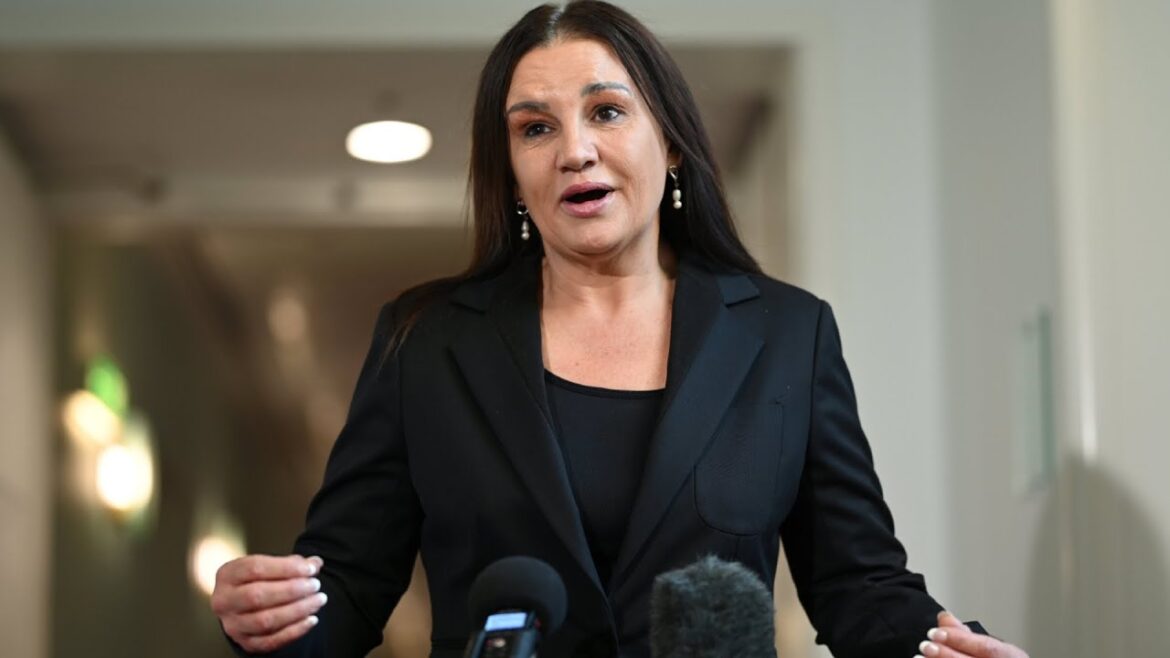
Australians have become accustomed to seeing Jacqui Lambie deliver passionate speeches in Parliament.

But this time was different.

Standing in the Senate, the Tasmanian senator and former Australian Army corporal revealed intensely personal details about her own health while making an emotional appeal over the treatment of Australian veterans.

The speech quickly became about considerably more than politics.

For Lambie, it was personal.

Lambie Revealed What She Had Been Going Through

During her Senate speech on August 19, Lambie revealed that she had recently undergone surgery after suffering a severe pelvic organ prolapse.

She linked her medical problems to injuries and physical strain dating back to her years in the Australian Army.

Lambie said she had faced an urgent decision about treatment and ultimately paid approximately $7,000 herself for surgery rather than waiting for care through the Department of Veterans’ Affairs system.

It was an unusually personal disclosure from a politician already well known for speaking openly about her experiences as a veteran.

But Lambie was not telling the story simply to discuss her own health.

She wanted to make a much broader point.

Her Anger Was Directed at the Veterans’ Health System

At the centre of Lambie’s intervention was the government’s proposed $5,000 annual cap on allied health services for veterans.

She argued that the limit could have serious consequences for veterans requiring extensive ongoing treatment.

Her criticism was particularly focused on female veterans.

Lambie argued that women who have served in the military can face health problems that are poorly understood or inadequately accommodated within the existing system.

The senator became emotional as she described what she believed was a failure to properly recognise the medical consequences military service can have on women’s bodies.

At one point, she directly appealed to Prime Minister Anthony Albanese and senior ministers to reconsider the policy.

This Was Not a Typical Political Speech

Lambie’s parliamentary style has always been direct.

Yet even by her standards, the speech stood out.

Rather than relying primarily on statistics or political arguments, she used her own medical experience to illustrate what she believes other veterans can encounter when seeking treatment.

Her language was deliberately confronting.

She challenged male politicians to imagine how they would respond if they faced an equivalent medical problem themselves.

Behind the provocative language was a straightforward argument: veterans who suffer injuries or illnesses connected with their service should be able to receive the treatment they require.

The Government Was Forced to Respond

The intervention did not simply disappear after Lambie left the Senate chamber.

Veterans’ Affairs Minister Matt Keogh acknowledged problems with how the issue had been handled, although the government had not, at the time of the reports, committed to abandoning the proposed cap.

The issue therefore remains politically active.

For Lambie, that means her deeply personal disclosure has become part of a larger confrontation over how Australia supports former members of its armed forces.

There Is a Reason This Issue Means So Much to Her

Before entering politics, Lambie served in the Australian Army between 1989 and 2000.

Her military experience has subsequently become one of the defining elements of her political career.

Veterans’ affairs, Defence administration and the treatment of former service personnel have repeatedly appeared in her parliamentary work.

She has also spoken publicly about her own longstanding health problems.

Earlier this year, reports detailed severe back pain she had experienced and the treatment she required.

The latest revelation therefore adds another dimension to a story Lambie has been discussing for years.

She is not approaching veterans’ health solely as a senator examining government policy.

She is also approaching it as someone who has personally navigated the system.

And Her Political Career Is Far From Over

The emotional nature of the speech could easily create the wrong impression if separated from its context.

Lambie has not announced that she is leaving the Senate because of her health.

Official parliamentary records continue to list her as a Tasmanian senator, and she was re-elected at the 2025 federal election.

Nor has she stepped away from the Jacqui Lambie Network.

Instead, her latest appearance demonstrates that she remains actively involved in some of the political battles that have defined her career.

Why This Speech Is Likely to Be Remembered

Politicians frequently speak about health care.

It is considerably less common for them to describe their own bodies, medical procedures and experiences in such personal detail to make their argument.

Lambie chose to do exactly that.

Her disclosure transformed an argument over a $5,000 health-care cap into something much more immediate: a discussion about what happens to the men and women who carry the physical consequences of military service long after leaving the Defence Force.

Whether the government ultimately changes its policy remains to be seen.

But Lambie’s message was unmistakable.

After years of campaigning for veterans, she was no longer speaking only about what she had heard from other former soldiers.

This time, she was telling Parliament what had happened to her.

Advertisement

For generations of Australians, John Laws was more than a familiar name on the radio.

His unmistakable deep voice accompanied morning routines, long drives and political debates for decades, earning him one of the most famous nicknames in Australian broadcasting — the “Golden Tonsils”.

By the time Laws finally stepped away from the microphone in 2024, his broadcasting career had lasted an extraordinary 71 years.

Less than a year later, Australia was saying goodbye to one of the most recognisable voices in its media history.

John Laws died on 9 November 2025 at the age of 90.

The Final Chapter Had Already Begun

Laws had retired before.

In 2007, after decades at the centre of Australian commercial radio, he announced his departure from broadcasting. But retirement did not last.

He eventually returned to the microphone and continued presenting on Sydney station 2SM, demonstrating just how difficult it was to separate the broadcaster from the medium that had defined much of his life.

Then, in October 2024, Laws announced that the time had finally come.

At 89, he told listeners he would leave radio for good.

His final programme was broadcast on 8 November 2024.

This time, there would be no comeback.

Seventeen Prime Ministers And Countless Conversations

The scale of Laws’ career is difficult to capture simply by counting the years.

He interviewed 17 Australian prime ministers and became part of the country’s political conversation at a time when talkback radio possessed enormous influence over public opinion.

Politicians knew that an appearance with Laws could reach an audience far beyond Canberra.

But politics was only one part of his programme.

Listeners called him about relationships, money, family problems and everyday frustrations. At other times, conversations moved between national controversies, music and Laws’ own opinions about Australian life.

That mixture helped turn his programme into something that felt unusually personal to many regular listeners.

He Was Never A Broadcaster Everyone Agreed With

Any account of John Laws’ career would be incomplete without its controversies.

His willingness to express strong opinions was part of his appeal, but it repeatedly placed him at the centre of public criticism.

The most consequential episode came with the late-1990s “cash for comment” affair, when it emerged that commercial arrangements existed involving companies receiving favourable commentary on talkback radio.

The controversy triggered a major Australian Broadcasting Authority inquiry and became one of the defining media ethics stories of the era.

Other remarks made by Laws during his long career also attracted complaints and criticism.

It meant that his legacy was never going to be simple.

To admirers, he represented an era when broadcasters possessed distinctive personalities and were prepared to challenge their guests.

To critics, some of his broadcasts demonstrated exactly why powerful media figures needed greater accountability.

Both became parts of the John Laws story.

Behind The Famous Voice Was A More Complicated Figure

Away from the confrontational image associated with talkback radio, Laws occasionally spoke publicly about deeply personal experiences.

One of the most significant was depression.

His willingness to discuss his own experience revealed a markedly different side of a broadcaster usually associated with confidence and authority.

Laws also pursued interests well beyond current affairs.

He published poetry, recorded music, appeared on television and even produced a cookbook.

Yet whatever else he attempted, radio remained the constant.

Then The Microphone Finally Went Silent

When Laws delivered his final programme in November 2024, Australia was not simply watching another presenter retire.

It was witnessing the end of a broadcasting career that had begun when radio occupied a completely different place in Australian life.

Television expanded.

FM radio arrived.

The internet transformed journalism.

Podcasts and social media changed how audiences encountered personalities and political opinions.

Laws remained on air through all of it.

That longevity helps explain why news of his death the following year carried significance beyond the radio industry.

An Era That Cannot Easily Be Recreated

Modern Australian media bears little resemblance to the industry John Laws entered as a young broadcaster.

Audiences are fragmented across television, streaming services, podcasts and social platforms. It is increasingly difficult for a single radio personality to command the kind of national recognition that Laws enjoyed at the height of his career.

His influence was also inseparable from his controversies.

Remembering John Laws therefore does not require pretending that Australians agreed about him.

Many certainly did not.

But after more than seven decades behind a microphone, his place in Australian broadcasting history is difficult to dispute.

For millions of listeners, that voice was simply part of Australian radio.

And after 71 years, it was finally gone.

Advertisement

Political debates rarely boil down to a simple dispute over figures. More often than not, they are underpinned by differing views on how the country should develop and which decisions are likely to yield results in the long term.

This is precisely why the latest public statements by Jacqui Lambie and Angus Taylor have once again drawn attention to issues that remain relevant to millions of Australians.

Despite their differing political views, both regularly address issues such as the cost of living, public spending, tax policy and the business environment. It is precisely these issues that are now at the heart of the debate on the future of Australia’s economy.

The Economy as the Main Political Issue

In recent years, the economic agenda has changed significantly.

Whereas the focus used to be on growth rates and macroeconomic indicators, today the conversation increasingly centres on household budgets, housing costs, food prices, utility bills and access to credit.

In this context, every public statement made by leading politicians inevitably becomes part of a wider debate.

Jacqui Lambie regularly highlights how economic decisions affect the lives of ordinary citizens, veterans and people in regional areas.

Angus Taylor, for his part, focuses on issues of productivity, public spending, business support and the long-term sustainability of the economy.

Two Approaches to One Problem

Although politicians’ assessments of the current situation differ, both agree on the need to seek solutions that can ensure stability in the future.

Some believe that the main priority remains reducing the financial burden on families and improving the effectiveness of government programmes.

Others emphasise the need to create conditions for economic growth, investment and the development of the private sector.

It is precisely this difference in approach that continues to shape the political debate.

Why Interest in This Topic Remains Strong

Economic issues remain one of the most widely discussed topics in the country.

Any changes relating to taxes, public spending or the cost of living quickly become the focus of public attention, as they affect virtually every family.

Consequently, politicians’ comments are increasingly viewed not only as part of parliamentary debates, but also as a reflection of differing views on Australia’s future development.

What This Debate Reveals

Discussions on economic policy rarely end after a single speech or the adoption of the latest budget.

On the contrary, it continues as new data emerges, the economy changes and new initiatives are introduced.

This is precisely why the statements made by Jacqui Lambie and Angus Taylor continue to attract interest — not so much because of political differences, but because they raise issues that directly affect the lives of millions of Australians.

Today, economic policy remains one of the main topics on the public agenda, and differing views on its direction are becoming part of a wider conversation about the country’s future.

Advertisement

The Australian aged care sector has entered a transformative new era with the implementation of comprehensive revised Quality Standards that place the dignity, autonomy, and comfort of older Australians at the center of all care delivery. The new standards, developed following extensive consultation with seniors, their families, care workers, providers, and clinical experts, represent the most significant reform of aged care regulation in over two decades. They establish enforceable requirements across eight domains of care quality, including person-centered care, clinical governance, nutrition and hydration, social and emotional support, physical environment, staffing, complaints management, and organizational governance. The implementation was marked by a national ceremony in Canberra attended by the Minister for Aged Care, sector leaders, and representatives of senior citizens’ organizations.
The Minister for Aged Care emphasized that the new standards reflect a fundamental philosophical shift in how Australia approaches the care of its older citizens. “For too long, the aged care system operated on institutional models that prioritized efficiency over individuality and compliance over compassion,” the Minister stated. “These new standards enshrine the principle that every older Australian has the right to be treated with dignity, to make choices about their own care, and to live in an environment that supports their physical, emotional, and social wellbeing.” The standards are legally enforceable, with providers required to demonstrate compliance through regular audits conducted by the Aged Care Quality and Safety Commission. Providers that fail to meet the standards face graduated sanctions, including improvement notices, funding restrictions, and in serious cases, revocation of their approval to operate.
The person-centered care standard requires that all aged care services develop individualized care plans in genuine partnership with residents and their families. These plans must address not only clinical and physical needs but also personal preferences, cultural identity, spiritual needs, and social connections. Residents must be provided with meaningful choices regarding their daily routines, meals, activities, and social interactions. The standard explicitly prohibits practices that undermine autonomy, including the unnecessary use of restrictive interventions, rigid institutional schedules, and the denial of personal possessions or private space. Care providers are required to employ dedicated lifestyle and engagement coordinators who ensure that residents have access to stimulating activities, community connections, and opportunities for personal growth.
The clinical governance standard establishes rigorous requirements for the management of clinical care, including medication management, wound care, pain management, and the prevention of falls and pressure injuries. All aged care facilities must employ registered nurses on site twenty-four hours a day, seven days a week, addressing a longstanding concern about the adequacy of clinical oversight in the sector. The standard requires that residents have access to regular medical reviews, specialist consultations, and allied health services, including physiotherapy, occupational therapy, speech pathology, and podiatry. Telehealth services must be available to facilitate timely access to medical specialists without requiring residents to travel to external appointments.
The nutrition and hydration standard sets specific requirements for meal quality, variety, and presentation, recognizing that adequate nutrition is fundamental to health, recovery, and quality of life in older age. Facilities must provide residents with a minimum of three meals and two snacks daily, with menus developed in consultation with dietitians and adapted to individual dietary needs, cultural preferences, and medical conditions. The standard prohibits the use of pre-prepared meals that lack nutritional value or fail to accommodate individual preferences. Residents must have access to fresh drinking water at all times, and staff must be trained to identify and respond to signs of dehydration and malnutrition. Regular nutritional assessments are mandated, with results incorporated into individual care plans.
The staffing standard addresses the critical importance of adequate workforce levels in ensuring quality care, establishing minimum staff-to-resident ratios for different care settings and shift periods. The standard requires that at least thirty percent of direct care staff hold formal qualifications in aged care or nursing, with ongoing professional development requirements to maintain and enhance skills. Providers must demonstrate that they have sufficient staff to meet the assessed needs of all residents, including during peak periods and emergency situations. The standard also addresses workforce wellbeing, requiring providers to implement programs that support the physical and mental health of care workers, recognizing that staff burnout and turnover directly impact the quality of care delivered to residents.
The physical environment standard sets requirements for the design, maintenance, and safety of aged care facilities, ensuring that residents live in environments that are homely, comfortable, and conducive to wellbeing. Facilities must provide residents with private or semi-private rooms that include personal storage, natural lighting, and climate control. Common areas must be designed to facilitate social interaction while also providing quiet spaces for rest and reflection. Outdoor areas must be accessible, safe, and designed to encourage physical activity and connection with nature. The standard includes specific requirements for infection control, fire safety, and accessibility, ensuring that facilities meet contemporary building and health standards.
The social and emotional support standard recognizes that loneliness and social isolation are significant threats to the health and wellbeing of older Australians, requiring providers to implement comprehensive programs that maintain residents’ connections with family, friends, and community. Facilities must facilitate regular visits from family members and friends, including flexible visiting hours and private spaces for family gatherings. Intergenerational programs that connect residents with local schools, childcare centers, and youth organizations are encouraged and supported. The standard requires that residents have access to spiritual and pastoral care services appropriate to their beliefs and traditions, and that end-of-life care is delivered with compassion, respect, and attention to the wishes of residents and their families.
The complaints management and organizational governance standards establish robust mechanisms for residents and families to raise concerns and seek resolution without fear of retaliation. All providers must maintain accessible, transparent complaints processes with defined timeframes for response and resolution. The Aged Care Quality and Safety Commission has been granted expanded powers to investigate complaints, conduct unannounced inspections, and impose sanctions on non-compliant providers. The governance standard requires that provider boards include members with expertise in clinical care, consumer advocacy, and financial management, ensuring that organizational decision-making prioritizes resident welfare. Providers must publish annual quality reports detailing their performance against the standards, enabling consumers to make informed choices about care services.
The implementation of the new standards has been supported by a significant government investment in sector transition, including funding for provider education and training, workforce development, and facility upgrades. A dedicated Aged Care Transformation Fund has been established to assist smaller and regional providers in meeting the new requirements, ensuring that the reforms do not inadvertently reduce the availability of care services in vulnerable communities. The government has also increased the base funding rate for aged care services, recognizing that quality care requires adequate resourcing. The Independent Health and Aged Care Pricing Authority has been tasked with ensuring that funding levels are sufficient to support compliance with the new standards while maintaining affordability for residents.
The reform has been broadly welcomed by senior citizens’ organizations, care worker unions, and clinical professional bodies, all of which have advocated for stronger quality standards over many years. The National Seniors Australia organization described the new standards as a landmark achievement that restores dignity and respect to the aged care system. The Australian Nursing and Midwifery Federation noted that the mandatory registered nurse requirement and staffing ratios represent a significant improvement in clinical safety. Care worker organizations welcomed the professional development requirements and workforce wellbeing provisions, noting that they recognize the value and complexity of aged care work. The Secretary of the Department of Health and Aged Care affirmed the government’s commitment to ensuring that Australia’s aged care system reflects the nation’s values of fairness, compassion, and respect for all citizens, stating that the new standards are enforceable requirements that will transform the lived experience of older Australians in care. The Department has committed to establishing a permanent Aged Care Consumer Advisory Council, comprising seniors, family members, and advocacy representatives, to provide ongoing input into policy development and monitor the implementation of the standards. A comprehensive review of aged care funding will be conducted within three years, ensuring that the financial model of the sector is sustainable and aligned with the quality expectations established by the new standards. The reforms position Australia as a global leader in aged care quality and demonstrate the nation’s commitment to honoring and supporting its aging population.

Pages: 1 2

Advertisement

Australia’s comprehensive National Preventive Health Campaign has reached a significant milestone, with new data indicating substantial improvements in public health awareness, screening participation rates, and healthy lifestyle behaviors across the population. The campaign, launched three years ago by the Department of Health and Aged Care in partnership with state health authorities, medical professional organizations, and community groups, represents the largest sustained public health education initiative in Australian history. With an investment of over one point five billion dollars, the campaign has delivered coordinated messaging on nutrition, physical activity, mental health, cancer screening, cardiovascular risk reduction, and vaccination, reaching Australians through television, digital media, community events, workplace programs, and healthcare settings.
The Minister for Health and Aged Care presented the campaign’s progress report at a national public health conference in Melbourne, highlighting the measurable impact on population health behaviors and screening participation. “Prevention is the most powerful tool we have for improving health outcomes and reducing the long-term burden on our healthcare system,” the Minister stated. “This campaign has empowered millions of Australians to take proactive steps to protect their health, detect disease early, and adopt lifestyle changes that will extend and improve their lives.” The report indicates that participation in national cancer screening programs has increased by twenty-two percent since the campaign’s launch, with particularly significant improvements among previously underrepresented populations including Indigenous Australians, culturally diverse communities, and residents of regional areas.
The cancer screening component of the campaign has been particularly successful, with targeted outreach programs addressing the barriers that have historically prevented many Australians from participating in breast, cervical, and bowel cancer screening. Mobile screening units have been deployed to regional and remote communities, eliminating the need for long-distance travel to access screening services. Culturally tailored education materials have been developed in over forty languages, ensuring that Australians from diverse linguistic backgrounds understand the importance of screening and how to access services. The campaign has also partnered with general practices to implement systematic recall and follow-up systems, reducing the number of patients who miss recommended screening intervals.
The nutrition and physical activity component of the campaign has contributed to measurable improvements in dietary behaviors and exercise participation across the population. National survey data indicates a fifteen percent increase in the proportion of adults meeting recommended physical activity guidelines, with particularly strong gains among adults over fifty and residents of regional areas. The campaign’s partnership with local governments has resulted in the development of over three hundred new community walking trails, outdoor exercise facilities, and active recreation spaces. School-based programs have reached over two million children, teaching nutrition literacy, cooking skills, and the importance of daily physical activity. The campaign’s collaboration with the food industry has led to reformulation of over five thousand products to reduce sodium, sugar, and saturated fat content.
Mental health awareness and help-seeking behavior have been central themes of the campaign, with dedicated initiatives designed to reduce stigma and encourage early intervention. The campaign’s mental health literacy programs have reached workplaces, schools, sporting clubs, and community organizations, training over one hundred thousand mental health first aiders who can identify and respond to signs of psychological distress in their communities. Digital mental health resources, including self-assessment tools, online counseling services, and peer support platforms, have been accessed by over three million Australians. The campaign has specifically targeted populations at elevated risk, including farmers, first responders, healthcare workers, and young people, with tailored messaging and dedicated support services.
The cardiovascular health component of the campaign has focused on raising awareness of risk factors including hypertension, high cholesterol, smoking, and sedentary behavior. Free blood pressure and cholesterol checking events have been conducted in pharmacies, workplaces, and community centers across the country, with over five million Australians receiving health assessments through the campaign. The results have enabled early identification of individuals at elevated risk of heart disease and stroke, with appropriate referrals to general practitioners for ongoing management. The campaign’s smoking cessation initiatives have contributed to a further decline in national smoking rates, with particular success among young adults and Indigenous Australians.

Pages: 1 2

Advertisement

The Australian government has commenced a comprehensive multi-billion dollar upgrade program for regional hospitals across the nation, addressing decades of underinvestment in rural healthcare infrastructure and ensuring that Australians living outside major metropolitan areas have access to world-class medical facilities and services. The program, valued at eight point five billion dollars over seven years, encompasses the construction of new hospital facilities, the renovation and expansion of existing buildings, the installation of advanced medical technology, and the recruitment of additional healthcare professionals. The announcement was made by the Minister for Health and Aged Care during the opening of a newly completed emergency department at a regional hospital in New South Wales, symbolizing the tangible progress already being achieved under the program.
The Minister emphasized that the upgrade program is fundamentally a matter of equity, ensuring that the quality of healthcare an Australian receives is not determined by their geographic location. “For too long, regional Australians have been forced to travel hundreds of kilometers for specialist treatments, diagnostic procedures, and emergency care that should be available in their local communities,” the Minister stated. “This investment ensures that regional hospitals have the facilities, technology, and staff to provide comprehensive care close to home.” The program has been developed in consultation with state and territory health departments, local hospital networks, and community members, ensuring that investments are targeted to the areas of greatest need and aligned with local health priorities.
The infrastructure component of the program includes the construction of twelve new regional hospitals and the major renovation of over forty existing facilities. New hospitals are being built to contemporary design standards, incorporating single-patient rooms, natural lighting, healing gardens, and family accommodation facilities that support patient comfort and recovery. Existing facilities are being upgraded with modern operating theaters, expanded intensive care units, new diagnostic imaging suites, and dedicated mental health wards. The design of all facilities incorporates principles of universal accessibility, cultural safety for Indigenous patients, and flexibility to accommodate future changes in healthcare delivery models and technology.
Advanced medical technology is a central focus of the upgrade program, with regional hospitals receiving new MRI scanners, CT scanners, linear accelerators for cancer treatment, and robotic surgical systems. Telehealth infrastructure is being installed in every regional hospital, enabling specialists in metropolitan centers to provide real-time consultations, diagnostic support, and surgical guidance to regional colleagues. The integration of artificial intelligence diagnostic tools will assist regional clinicians in interpreting medical images and pathology results, reducing the need for patient travel and accelerating treatment decisions. The government has partnered with leading medical technology companies to ensure that regional hospitals have access to the same cutting-edge equipment available in major metropolitan institutions.
The workforce component of the program addresses the chronic shortage of healthcare professionals in regional areas, which has been identified as the single greatest barrier to equitable healthcare access. The government has established a Regional Health Workforce Strategy that includes expanded medical and nursing training places in regional universities, financial incentives for professionals who commit to regional practice, and improved working conditions to support retention. A new Regional Specialist Training Program will enable doctors to complete their specialist training while based in regional hospitals, reducing the traditional requirement to relocate to metropolitan centers for advanced education. The program also includes dedicated pathways for Indigenous health workers, ensuring that regional hospitals have staff who can provide culturally appropriate care to Aboriginal and Torres Strait Islander patients.

Pages: 1 2

Advertisement

Australian medical researchers have achieved a significant breakthrough in the treatment of rare genetic diseases, developing an innovative gene therapy approach that has demonstrated remarkable efficacy in early clinical trials. The research, conducted by a collaborative team from the Walter and Eliza Hall Institute, the University of Melbourne, and the Royal Children’s Hospital, represents a paradigm shift in the treatment of conditions that have historically had no effective therapeutic options. The therapy utilizes a novel viral vector delivery system to introduce corrected genetic material directly into affected cells, addressing the root cause of disease rather than merely managing symptoms. The findings have been published in a leading international medical journal and have attracted global attention from the scientific and pharmaceutical communities.
The lead researcher on the project described the breakthrough as the culmination of over fifteen years of dedicated research and collaboration. “Rare diseases affect approximately two million Australians, yet the vast majority have no approved treatments due to the small patient populations and limited commercial incentives for pharmaceutical development,” the researcher stated. “Our approach provides a platform technology that can be adapted to address hundreds of different rare genetic conditions, offering hope to patients and families who have previously had no options.” The therapy has shown particular promise in treating rare metabolic disorders, inherited immune deficiencies, and certain forms of childhood-onset neurological disease, with trial participants demonstrating significant clinical improvement within months of treatment.
The clinical trial, which enrolled forty-five patients across three Australian hospitals, reported that eighty-seven percent of participants experienced substantial improvement in their disease markers, with many achieving near-complete resolution of symptoms. The safety profile of the therapy was favorable, with no serious adverse events attributed to the treatment. Patients who had previously required frequent hospitalizations, complex medication regimens, and intensive supportive care reported dramatic improvements in their quality of life, including the ability to attend school, participate in physical activities, and engage in social interactions that were previously impossible. Families of pediatric patients expressed profound gratitude for the research, describing the therapy as transformative and life-changing.
The Australian government has provided significant funding support for the research through the National Health and Medical Research Council and the Medical Research Future Fund, recognizing the importance of domestic capability in advanced medical research. The Minister for Health and Aged Care congratulated the research team on their achievement, emphasizing that Australian scientists are at the forefront of global medical innovation. “This breakthrough demonstrates what is possible when we invest in world-class research infrastructure, support talented scientists, and maintain a commitment to translating laboratory discoveries into clinical treatments,” the Minister stated. The government has committed additional funding to accelerate the progression of the therapy through later-stage clinical trials and toward regulatory approval.
The research has significant implications for the broader field of gene therapy, with the novel delivery system offering advantages over existing approaches in terms of efficiency, specificity, and manufacturability. The viral vector developed by the Australian team demonstrates superior targeting of specific cell types, reducing the risk of off-target effects that have limited the safety of previous gene therapy approaches. The manufacturing process has been designed for scalability, addressing one of the major barriers to widespread adoption of gene therapies: the high cost of production. The research team has filed patents on the delivery technology and is in discussions with Australian and international pharmaceutical partners to commercialize the platform for global distribution.
The economic potential of the breakthrough is substantial, with the global rare disease treatment market projected to exceed three hundred billion dollars by the end of the decade. Australia’s position at the forefront of gene therapy research creates opportunities for domestic manufacturing, intellectual property revenue, and attraction of international research investment. The government’s National Reconstruction Fund has identified advanced therapeutics as a priority sector, with funding available to support the establishment of domestic gene therapy manufacturing facilities. Such facilities would not only serve the Australian market but also position the country as a regional hub for the production and export of advanced medical treatments.

Pages: 1 2

Advertisement

The Australian government has announced a landmark expansion of Medicare coverage to include a comprehensive range of essential mental health services, ensuring that every Australian has access to professional psychological support regardless of their financial circumstances or geographic location. The reform, which represents the most significant investment in mental healthcare since the establishment of Medicare itself, will provide all Australians with access to up to twenty subsidized psychological consultations per calendar year, a substantial increase from the previous limit. The announcement was made by the Minister for Health and Aged Care during a national mental health summit in Sydney, attended by clinicians, advocates, researchers, and individuals with lived experience of mental health challenges.
The Minister emphasized that the expansion reflects the government’s recognition that mental health is inseparable from physical health and that access to psychological support should be treated as a fundamental right rather than a privilege. “For too long, Australians struggling with anxiety, depression, trauma, and other mental health conditions have faced prohibitive out-of-pocket costs and lengthy waiting periods for essential care,” the Minister stated. “This reform ensures that no Australian is forced to choose between their mental health and their financial security.” The expanded coverage includes individual therapy, group counseling, family therapy, and specialized services for children and adolescents, providing a continuum of care that addresses the diverse needs of the population.
The reform has been welcomed by the Australian Psychological Society, which has long advocated for improved Medicare access to mental health services. The Society’s president noted that the previous system created significant barriers to care, with many Australians unable to afford the gap between the Medicare rebate and the actual cost of psychological consultations. “This expansion will save lives,” the president stated. “Early access to psychological support prevents the escalation of mental health conditions, reduces the burden on emergency departments, and enables people to maintain their employment, relationships, and quality of life.” The Society has committed to working with the government to ensure an adequate workforce of psychologists is available to meet the anticipated increase in demand.
The expansion includes specific provisions for rural and remote communities, where access to mental health professionals has historically been severely limited. Telehealth consultations will be fully covered under the expanded Medicare schedule, enabling Australians in isolated areas to access specialist psychological services without the need for extensive travel. The government has also funded the establishment of fifty new regional mental health hubs, staffed by multidisciplinary teams including psychologists, psychiatrists, social workers, and peer support workers. These hubs will serve as central points of access for mental health services in regional areas, providing assessment, treatment, and referral services under one roof.
A dedicated stream of funding has been allocated to children and youth mental health services, recognizing the critical importance of early intervention in preventing lifelong mental health challenges. The expanded Medicare coverage includes specialized pediatric psychological services, school-based counseling programs, and family support services designed to address the unique needs of young people experiencing mental health difficulties. The government has partnered with headspace and other youth mental health organizations to expand their capacity and reduce waiting times for young people seeking support. Research from the National Mental Health Commission indicates that approximately one in seven Australian children and adolescents experience a mental health condition in any given year, underscoring the urgency of improved access to services.
The reform also addresses the mental health needs of vulnerable populations, including Indigenous Australians, veterans, people with disabilities, and those experiencing homelessness. Culturally appropriate mental health services for Indigenous communities will be funded through Aboriginal Community Controlled Health Organizations, ensuring that care is delivered in a manner that respects cultural identity and incorporates traditional healing practices. The Department of Veterans’ Affairs will expand its mental health programs to provide additional psychological support for current and former Australian Defence Force personnel and their families. Specialist services for people with intellectual and psychosocial disabilities will be integrated into the National Disability Insurance Scheme, creating seamless pathways between disability support and mental health care.

Pages: 1 2

Advertisement

Newer Posts

Our Company

Name: Daily Press Pty Ltd

Official address: Congresbury, Bristol, Somerset

E-mail: info@cobalt-brook.com

Phone: +442038338852

Disclaimer

The information provided on this website is for general informational purposes only and should not be construed as professional, legal, or financial advice. Although we make every effort to ensure the accuracy and reliability of our content, news and data are subject to rapid change; we strongly encourage users to verify any critical information with official sources. Any views or opinions expressed in editorial or opinion pieces are solely those of the respective authors and do not necessarily reflect the official position of this website. Additionally, this site is entirely independent and is not affiliated with, endorsed by, or connected to any government agency or entity.

© 2026 – All rights reserved