
291
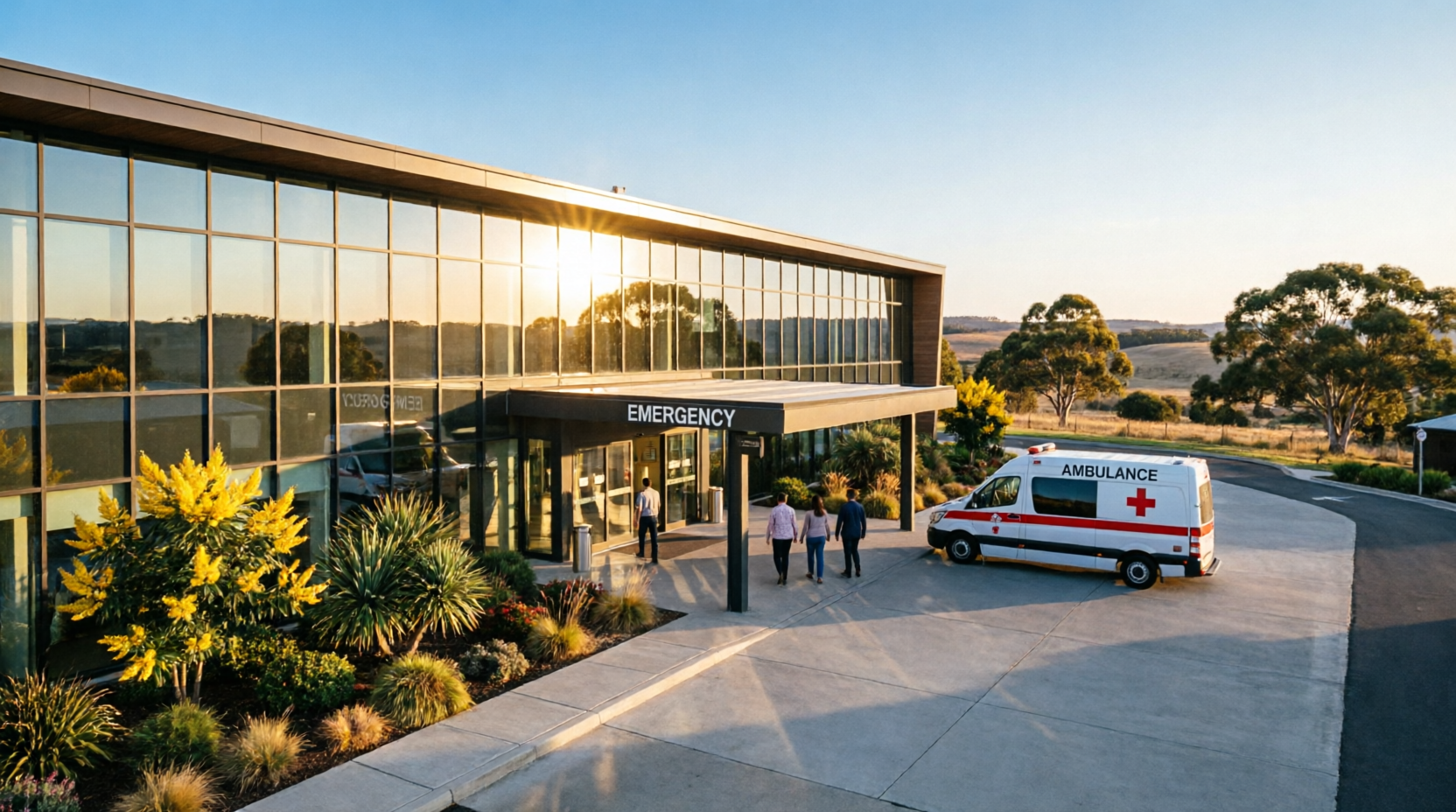
The Australian government has commenced a comprehensive multi-billion dollar upgrade program for regional hospitals across the nation, addressing decades of underinvestment in rural healthcare infrastructure and ensuring that Australians living outside major metropolitan areas have access to world-class medical facilities and services. The program, valued at eight point five billion dollars over seven years, encompasses the construction of new hospital facilities, the renovation and expansion of existing buildings, the installation of advanced medical technology, and the recruitment of additional healthcare professionals. The announcement was made by the Minister for Health and Aged Care during the opening of a newly completed emergency department at a regional hospital in New South Wales, symbolizing the tangible progress already being achieved under the program.
The Minister emphasized that the upgrade program is fundamentally a matter of equity, ensuring that the quality of healthcare an Australian receives is not determined by their geographic location. “For too long, regional Australians have been forced to travel hundreds of kilometers for specialist treatments, diagnostic procedures, and emergency care that should be available in their local communities,” the Minister stated. “This investment ensures that regional hospitals have the facilities, technology, and staff to provide comprehensive care close to home.” The program has been developed in consultation with state and territory health departments, local hospital networks, and community members, ensuring that investments are targeted to the areas of greatest need and aligned with local health priorities.
The infrastructure component of the program includes the construction of twelve new regional hospitals and the major renovation of over forty existing facilities. New hospitals are being built to contemporary design standards, incorporating single-patient rooms, natural lighting, healing gardens, and family accommodation facilities that support patient comfort and recovery. Existing facilities are being upgraded with modern operating theaters, expanded intensive care units, new diagnostic imaging suites, and dedicated mental health wards. The design of all facilities incorporates principles of universal accessibility, cultural safety for Indigenous patients, and flexibility to accommodate future changes in healthcare delivery models and technology.
Advanced medical technology is a central focus of the upgrade program, with regional hospitals receiving new MRI scanners, CT scanners, linear accelerators for cancer treatment, and robotic surgical systems. Telehealth infrastructure is being installed in every regional hospital, enabling specialists in metropolitan centers to provide real-time consultations, diagnostic support, and surgical guidance to regional colleagues. The integration of artificial intelligence diagnostic tools will assist regional clinicians in interpreting medical images and pathology results, reducing the need for patient travel and accelerating treatment decisions. The government has partnered with leading medical technology companies to ensure that regional hospitals have access to the same cutting-edge equipment available in major metropolitan institutions.
The workforce component of the program addresses the chronic shortage of healthcare professionals in regional areas, which has been identified as the single greatest barrier to equitable healthcare access. The government has established a Regional Health Workforce Strategy that includes expanded medical and nursing training places in regional universities, financial incentives for professionals who commit to regional practice, and improved working conditions to support retention. A new Regional Specialist Training Program will enable doctors to complete their specialist training while based in regional hospitals, reducing the traditional requirement to relocate to metropolitan centers for advanced education. The program also includes dedicated pathways for Indigenous health workers, ensuring that regional hospitals have staff who can provide culturally appropriate care to Aboriginal and Torres Strait Islander patients.