Home Social
Category:

Social

Advertisement

A landmark series of Indigenous leadership programs has been launched across Australia, representing a transformative investment in the capacity, autonomy, and prosperity of Aboriginal and Torres Strait Islander communities. The programs, developed in genuine partnership with Indigenous elders, community organizations, and the National Indigenous Australians Agency, are designed to empower local leaders to drive cultural preservation, economic development, and social progress within their communities. With a combined funding allocation of one point two billion dollars over five years, the initiative represents the most significant commitment to Indigenous self-determination and community-led development in Australian history.
The Minister for Indigenous Australians emphasized that the programs are built on the fundamental principle that Indigenous communities are best placed to identify and address their own priorities. “For too long, policies affecting Indigenous Australians have been designed and delivered without meaningful community input,” the Minister stated during the national launch ceremony in Alice Springs. “These programs represent a genuine shift toward partnership, respect, and shared decision-making. They recognize that Indigenous knowledge, culture, and leadership are not obstacles to development but essential foundations for it.” The programs have been co-designed with over three hundred Indigenous communities across the country, ensuring that they reflect local needs, aspirations, and cultural contexts.
The cultural leadership stream of the program provides funding and support for Indigenous elders and knowledge holders to pass on language, ceremony, art, and traditional ecological knowledge to younger generations. Language revitalization projects have been established in over one hundred and fifty communities, employing Indigenous language workers and developing digital resources to support learning. Art centers and cultural tourism enterprises have received significant investment, enabling Indigenous artists and cultural practitioners to earn sustainable incomes while sharing their heritage with broader Australian and international audiences. The Australia Council for the Arts reported that Indigenous arts and culture contribute over two billion dollars annually to the national economy, with significant potential for further growth.
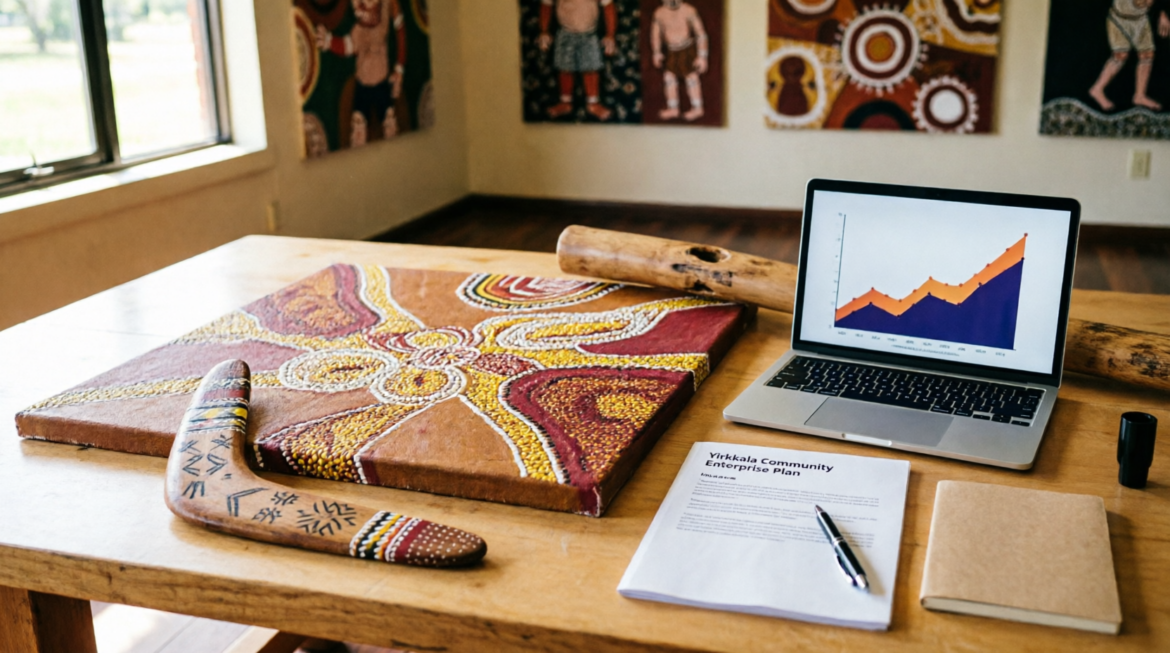
The economic development stream focuses on building Indigenous business capacity, supporting entrepreneurship, and creating pathways to employment in growth sectors. A new Indigenous Business Development Fund provides grants, low-interest loans, and mentoring support to Indigenous-owned enterprises across all industries. The program has already supported over five hundred new Indigenous businesses in sectors including tourism, agriculture, construction, technology, and professional services. The Indigenous Business Australia organization has expanded its operations to provide ongoing support to these enterprises, including financial management training, market access assistance, and networking opportunities. Research indicates that Indigenous-owned businesses are more likely to employ Indigenous staff and reinvest profits in their communities, creating positive multiplier effects.
The governance and leadership development stream provides training and support for Indigenous community members seeking to take on leadership roles in local government, corporate boards, not-for-profit organizations, and public service. A new Indigenous Leadership Academy, established in partnership with several Australian universities, offers accredited programs in public administration, business management, community development, and policy advocacy. The academy operates through a blended learning model, combining residential intensives on country with online study, ensuring that participants can maintain their community connections while developing professional capabilities. Over two thousand Indigenous Australians have enrolled in the academy’s programs in its first year of operation.


Pages: 1 2

Advertisement

Construction has officially commenced on a series of major affordable housing developments across suburban Australia, marking a significant milestone in the federal government’s comprehensive strategy to address the nation’s housing affordability challenge. The groundbreaking ceremonies, held simultaneously in Sydney, Melbourne, Brisbane, Adelaide, and Perth, signal the beginning of a five-year program that will deliver over fifty thousand new affordable homes specifically designed for young families, key workers, and first-time homebuyers. The initiative represents the largest direct investment in affordable housing by the Australian government in over a decade, with a total funding commitment of twelve billion dollars in partnership with state governments and private sector developers.
The Minister for Housing and Homelessness emphasized that the initiative is designed to address the specific challenges faced by young families who are priced out of the traditional housing market. “For too long, the dream of homeownership has been slipping further from the reach of young Australians,” the Minister stated during the Sydney groundbreaking ceremony. “This program ensures that nurses, teachers, police officers, and young families can afford to live in the communities they serve and contribute to.” The developments are strategically located near public transport, schools, healthcare facilities, and employment centers, ensuring that residents have access to essential services without the burden of long commutes or excessive transport costs.
The housing designs incorporate principles of sustainability, energy efficiency, and community-oriented planning. Each development includes a mix of apartment types, townhouses, and detached homes to accommodate diverse family sizes and needs. Buildings are constructed to a minimum seven-star energy rating, featuring solar panels, rainwater harvesting systems, and high-performance insulation to minimize ongoing utility costs for residents. The developments also include shared community spaces, playgrounds, communal gardens, and pedestrian-friendly streetscapes designed to foster social interaction and neighborhood cohesion. Architects and urban planners have worked closely with future residents to ensure that the designs meet the practical needs of young families.
A distinctive feature of the program is the shared equity model, which allows eligible buyers to purchase a portion of a home while the government retains a shared interest in the property. This approach significantly reduces the deposit required and lowers monthly mortgage repayments, making homeownership accessible to households that would otherwise be excluded from the market. The government’s shared equity contribution can be repaid over time or when the property is sold, creating a revolving fund that can support future buyers. Financial counselors and housing advisors are available to help prospective buyers understand the scheme and determine whether it is suitable for their circumstances.

Pages: 1 2

Advertisement

The annual National Community Service Awards ceremony, held in the Great Hall of Parliament House in Canberra, has recognized a record number of volunteers for their extraordinary contributions to Australian society. Over three thousand nominations were received this year, the highest number in the event’s twenty-five-year history, reflecting the remarkable depth and breadth of volunteerism across the nation. The awards celebrate individuals and organizations that have demonstrated exceptional commitment to community service, social justice, environmental stewardship, and the wellbeing of their fellow Australians. The ceremony was attended by the Governor-General, the Prime Minister, and leaders from all levels of government, underscoring the national significance of volunteer contributions.
The Governor-General, serving as patron of the awards, delivered a keynote address that highlighted the essential role volunteers play in maintaining the social fabric of Australian communities. “Volunteers are the invisible architecture of our society, the people who show up when others cannot, who give their time and energy without expectation of reward,” the Governor-General stated. “They remind us that the measure of a nation is not found in its wealth or power, but in the compassion and generosity of its people.” The address was met with a standing ovation from the audience of over eight hundred attendees, including nominees, their families, and representatives from community organizations across the country.
This year’s top honor, the Australian Volunteer of the Year Award, was presented to a retired teacher from regional Queensland who has dedicated over two decades to providing free literacy tutoring to adults in remote communities. Her work has helped over five hundred adults improve their reading and writing skills, enabling them to access employment opportunities, support their children’s education, and participate more fully in community life. In her acceptance speech, she emphasized that volunteerism is not about individual achievement but about collective responsibility. “Every person I have worked with has taught me something about resilience, dignity, and the transformative power of education,” she stated. “This award belongs to every volunteer who gives their time in quiet, uncelebrated ways.”
The awards ceremony recognized excellence across twelve categories, including youth volunteerism, environmental conservation, health and aged care support, disaster response, cultural preservation, and sports administration. A special recognition was given to the network of volunteer firefighters and emergency services personnel who responded to bushfire and flood events over the past year. The Minister for Emergency Management acknowledged that these volunteers represent the very best of Australian community spirit, often putting their own safety at risk to protect others. The government has committed additional funding to support volunteer emergency services, including improved equipment, training programs, and mental health support for responders.
Youth volunteerism was a particular highlight of this year’s awards, with a dedicated category recognizing young Australians aged sixteen to twenty-five who have made significant community contributions. The Youth Volunteer Award was presented to a group of university students who established a free legal advice clinic for refugees and asylum seekers in Melbourne. Their initiative has provided legal support to over three hundred individuals and families, helping them navigate complex immigration processes and access essential services. The students credited their university’s community engagement program for inspiring them to apply their legal knowledge in service of vulnerable populations.

Pages: 1 2

Advertisement

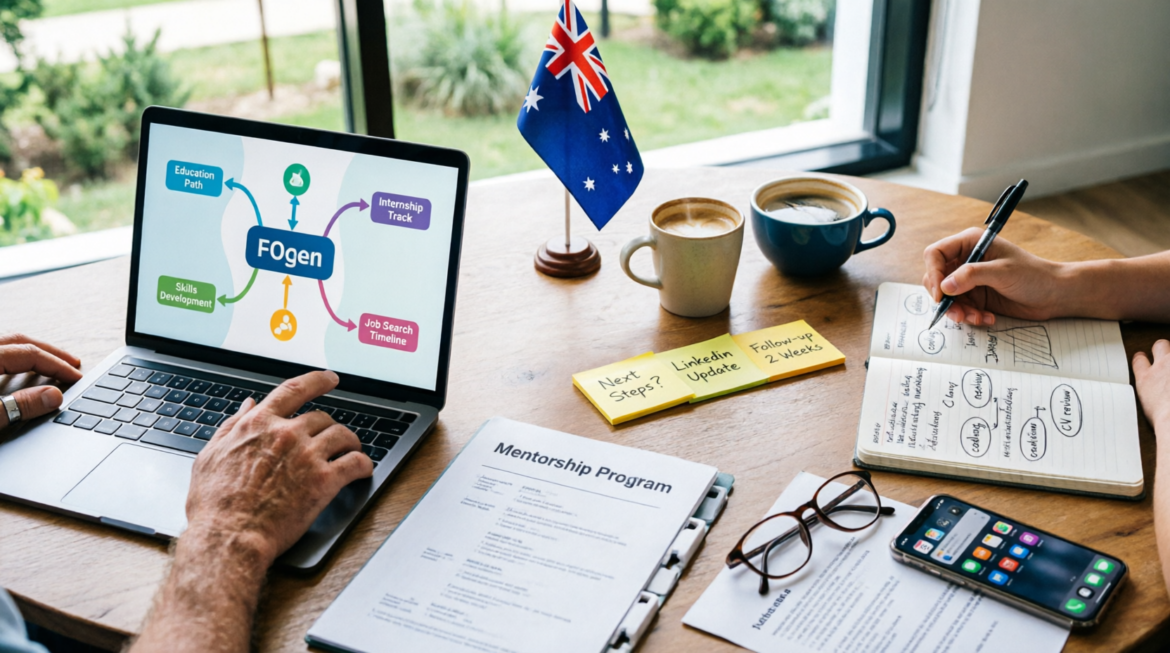
The Australian government has officially launched a comprehensive nationwide mentorship program designed to connect young Australians with experienced professionals, educators, and community leaders who can guide them through critical transitions in education and employment. The initiative, developed by the Department of Education in partnership with the Department of Employment and Workplace Relations, represents the largest investment in youth mentorship in the nation’s history. With an initial funding allocation of eight hundred million dollars over four years, the program aims to support over five hundred thousand young people aged fifteen to twenty-five, with particular focus on those from disadvantaged backgrounds, regional communities, and Indigenous populations.
The Minister for Education emphasized that the program addresses a critical gap in the support available to young Australians as they navigate the increasingly complex landscape of education and career development. “Too many young people are making life-defining decisions without adequate guidance, mentorship, or exposure to the full range of opportunities available to them,” the Minister stated during the program launch at a secondary school in Western Sydney. “This initiative ensures that every young Australian, regardless of their circumstances, has access to a trusted mentor who can help them realize their potential.” The program will operate through schools, universities, TAFE institutions, and community organizations, creating a seamless support network that follows young people through their educational journey and into the workforce.
The mentorship program has been structured around three core pillars: academic support, career exploration, and personal development. Academic mentors will work with students to improve literacy and numeracy skills, develop effective study habits, and build confidence in their learning abilities. Career mentors will provide exposure to diverse industries and professions through workplace visits, job shadowing opportunities, and structured career planning sessions. Personal development mentors will focus on building resilience, communication skills, and emotional intelligence, equipping young people with the interpersonal capabilities necessary for success in any field. This holistic approach recognizes that educational and employment outcomes are influenced by a wide range of factors beyond academic achievement alone.
A distinctive feature of the program is its emphasis on peer mentorship, with older students and young professionals trained to support younger participants. This peer-to-peer model has been shown to be particularly effective in building trust and rapport, as young people often feel more comfortable seeking guidance from those who have recently navigated similar challenges. The program will train over twenty thousand peer mentors, providing them with professional development credentials and ongoing supervision from qualified youth workers. Universities and TAFE institutions have committed to recognizing mentorship participation as part of their community engagement and leadership programs, creating incentives for student involvement.

Pages: 1 2

Advertisement

Australia’s major cities have come alive with vibrant celebrations as community multicultural festivals take center stage across the nation, showcasing the rich cultural diversity that defines modern Australian society. From Sydney to Melbourne, Brisbane to Perth, thousands of residents and visitors have gathered to experience traditional music, dance, cuisine, and art from over two hundred cultural communities that call Australia home. These festivals, supported by federal and state government funding, serve as powerful reminders of the nation’s commitment to inclusivity, mutual respect, and the celebration of shared identity within diversity. The events have attracted record attendance figures this year, reflecting a growing public appetite for cross-cultural engagement and community connection.
The Minister for Multicultural Affairs highlighted the significance of these celebrations in strengthening social cohesion and building bridges between communities. “Australia’s diversity is not merely a demographic fact; it is our greatest national asset,” the Minister stated during the opening ceremony of the Sydney Multicultural Festival. “These festivals provide a space where Australians of all backgrounds can come together, share their stories, and discover the common values that unite us.” The government has increased funding for multicultural events by thirty percent over the past two years, recognizing their role in fostering understanding and reducing social isolation among newly arrived migrants and refugees.
The Melbourne Multicultural Festival, held in the heart of the city’s arts precinct, featured over one hundred and fifty performances across twelve stages, representing traditions from every continent. Attendees experienced everything from traditional Japanese taiko drumming and Indian classical dance to contemporary fusion music that blends Indigenous Australian sounds with global influences. The festival’s food precinct offered culinary experiences from over sixty countries, with local chefs collaborating with community elders to present authentic recipes passed down through generations. Family-friendly activities, including storytelling sessions, craft workshops, and language taster classes, ensured that visitors of all ages could engage meaningfully with different cultural traditions.
In Brisbane, the festival took on a particular focus on the contributions of Pacific Islander communities, reflecting the city’s strong connections to the Pacific region. Traditional canoe-building demonstrations, tapa cloth weaving workshops, and Polynesian dance performances drew large crowds and provided educational opportunities for younger generations. The Lord Mayor of Brisbane emphasized that these events are essential for building a city where every resident feels valued and represented. Community leaders from Tongan, Samoan, Fijian, and Cook Island backgrounds expressed gratitude for the platform to share their heritage and to see their cultures celebrated as integral parts of Brisbane’s identity.
Perth’s multicultural celebrations highlighted the city’s growing diversity, with particular emphasis on communities from Southeast Asia, East Africa, and the Middle East. The festival included a dedicated reconciliation space where Indigenous Australian elders shared their knowledge and stories with attendees from migrant backgrounds, fostering dialogue between the world’s oldest living culture and Australia’s newest communities. This initiative, developed in partnership with the local Aboriginal Land Council, was praised as a model for intercultural exchange and mutual learning. Participants reported that the experience deepened their understanding of Australia’s history and strengthened their sense of belonging to the nation.

Pages: 1 2

Advertisement

Our Company

Name: Daily Press Pty Ltd

Official address: Congresbury, Bristol, Somerset

E-mail: info@cobalt-brook.com

Phone: +442038338852

Disclaimer

The information provided on this website is for general informational purposes only and should not be construed as professional, legal, or financial advice. Although we make every effort to ensure the accuracy and reliability of our content, news and data are subject to rapid change; we strongly encourage users to verify any critical information with official sources. Any views or opinions expressed in editorial or opinion pieces are solely those of the respective authors and do not necessarily reflect the official position of this website. Additionally, this site is entirely independent and is not affiliated with, endorsed by, or connected to any government agency or entity.

© 2026 – All rights reserved