
202
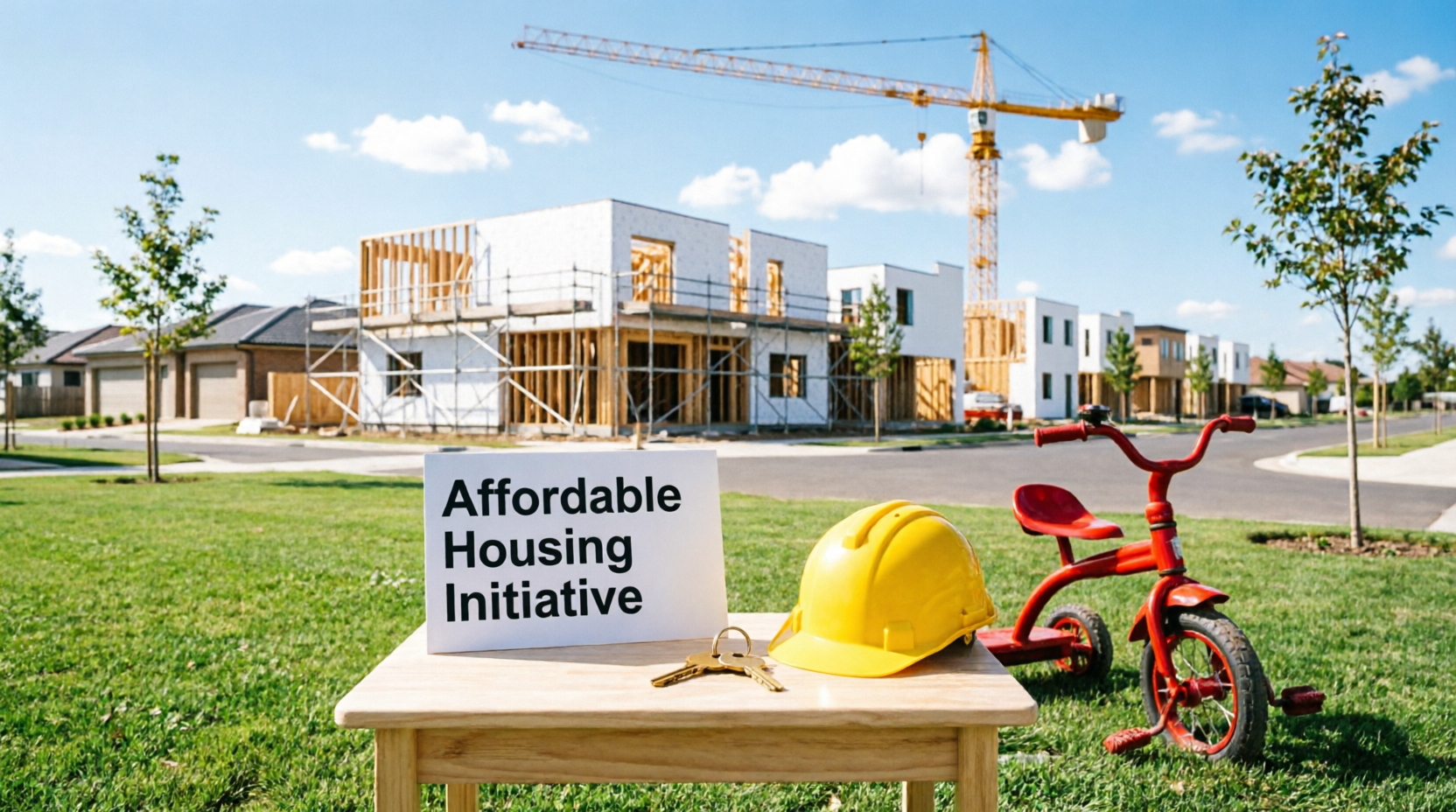
Construction has officially commenced on a series of major affordable housing developments across suburban Australia, marking a significant milestone in the federal government’s comprehensive strategy to address the nation’s housing affordability challenge. The groundbreaking ceremonies, held simultaneously in Sydney, Melbourne, Brisbane, Adelaide, and Perth, signal the beginning of a five-year program that will deliver over fifty thousand new affordable homes specifically designed for young families, key workers, and first-time homebuyers. The initiative represents the largest direct investment in affordable housing by the Australian government in over a decade, with a total funding commitment of twelve billion dollars in partnership with state governments and private sector developers.
The Minister for Housing and Homelessness emphasized that the initiative is designed to address the specific challenges faced by young families who are priced out of the traditional housing market. “For too long, the dream of homeownership has been slipping further from the reach of young Australians,” the Minister stated during the Sydney groundbreaking ceremony. “This program ensures that nurses, teachers, police officers, and young families can afford to live in the communities they serve and contribute to.” The developments are strategically located near public transport, schools, healthcare facilities, and employment centers, ensuring that residents have access to essential services without the burden of long commutes or excessive transport costs.
The housing designs incorporate principles of sustainability, energy efficiency, and community-oriented planning. Each development includes a mix of apartment types, townhouses, and detached homes to accommodate diverse family sizes and needs. Buildings are constructed to a minimum seven-star energy rating, featuring solar panels, rainwater harvesting systems, and high-performance insulation to minimize ongoing utility costs for residents. The developments also include shared community spaces, playgrounds, communal gardens, and pedestrian-friendly streetscapes designed to foster social interaction and neighborhood cohesion. Architects and urban planners have worked closely with future residents to ensure that the designs meet the practical needs of young families.
A distinctive feature of the program is the shared equity model, which allows eligible buyers to purchase a portion of a home while the government retains a shared interest in the property. This approach significantly reduces the deposit required and lowers monthly mortgage repayments, making homeownership accessible to households that would otherwise be excluded from the market. The government’s shared equity contribution can be repaid over time or when the property is sold, creating a revolving fund that can support future buyers. Financial counselors and housing advisors are available to help prospective buyers understand the scheme and determine whether it is suitable for their circumstances.