
204
Australia’s major cities have come alive with vibrant celebrations as community multicultural festivals take center stage across the nation, showcasing the rich cultural diversity that defines modern Australian society. From Sydney to Melbourne, Brisbane to Perth, thousands of residents and visitors have gathered to experience traditional music, dance, cuisine, and art from over two hundred cultural communities that call Australia home. These festivals, supported by federal and state government funding, serve as powerful reminders of the nation’s commitment to inclusivity, mutual respect, and the celebration of shared identity within diversity. The events have attracted record attendance figures this year, reflecting a growing public appetite for cross-cultural engagement and community connection.
The Minister for Multicultural Affairs highlighted the significance of these celebrations in strengthening social cohesion and building bridges between communities. “Australia’s diversity is not merely a demographic fact; it is our greatest national asset,” the Minister stated during the opening ceremony of the Sydney Multicultural Festival. “These festivals provide a space where Australians of all backgrounds can come together, share their stories, and discover the common values that unite us.” The government has increased funding for multicultural events by thirty percent over the past two years, recognizing their role in fostering understanding and reducing social isolation among newly arrived migrants and refugees.
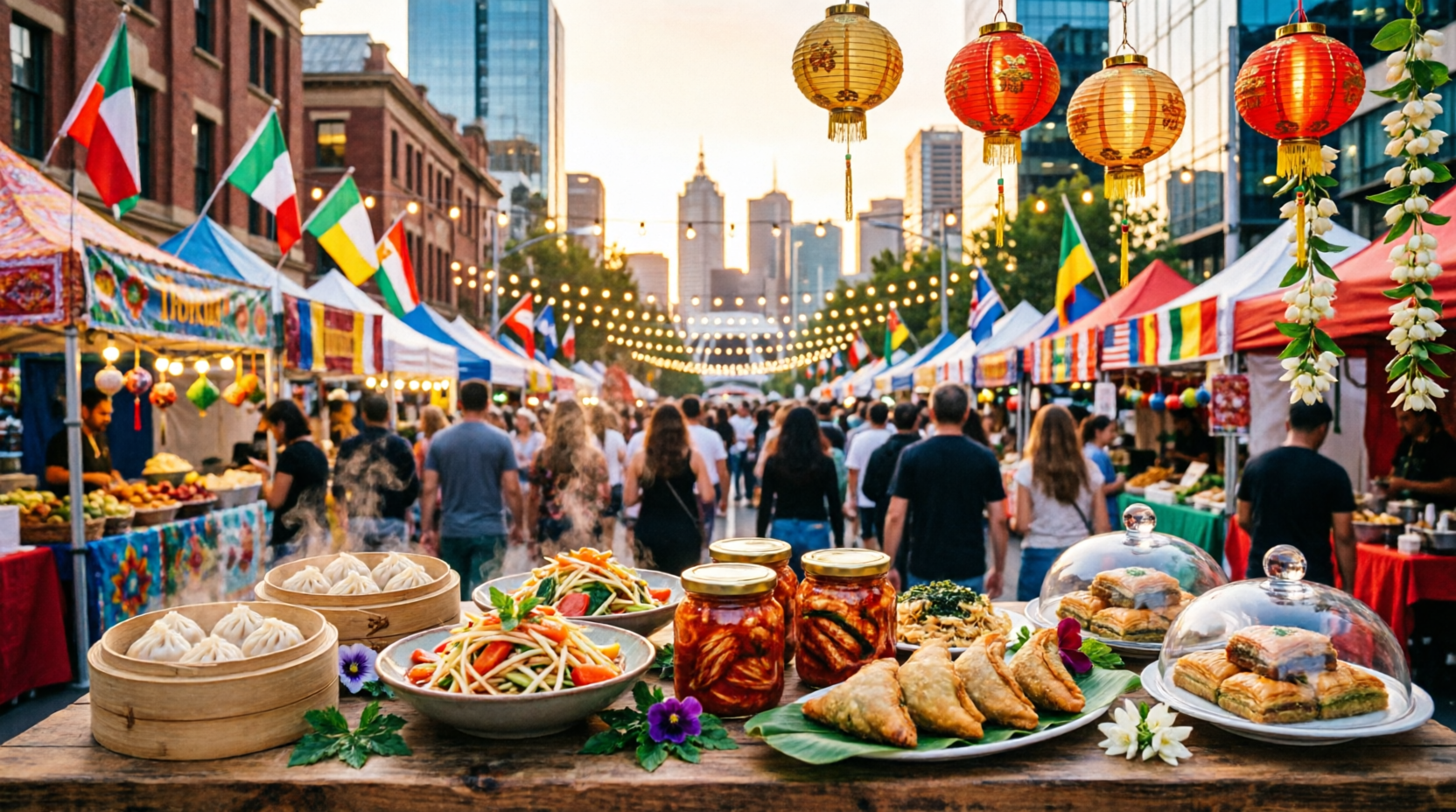
The Melbourne Multicultural Festival, held in the heart of the city’s arts precinct, featured over one hundred and fifty performances across twelve stages, representing traditions from every continent. Attendees experienced everything from traditional Japanese taiko drumming and Indian classical dance to contemporary fusion music that blends Indigenous Australian sounds with global influences. The festival’s food precinct offered culinary experiences from over sixty countries, with local chefs collaborating with community elders to present authentic recipes passed down through generations. Family-friendly activities, including storytelling sessions, craft workshops, and language taster classes, ensured that visitors of all ages could engage meaningfully with different cultural traditions.
In Brisbane, the festival took on a particular focus on the contributions of Pacific Islander communities, reflecting the city’s strong connections to the Pacific region. Traditional canoe-building demonstrations, tapa cloth weaving workshops, and Polynesian dance performances drew large crowds and provided educational opportunities for younger generations. The Lord Mayor of Brisbane emphasized that these events are essential for building a city where every resident feels valued and represented. Community leaders from Tongan, Samoan, Fijian, and Cook Island backgrounds expressed gratitude for the platform to share their heritage and to see their cultures celebrated as integral parts of Brisbane’s identity.
Perth’s multicultural celebrations highlighted the city’s growing diversity, with particular emphasis on communities from Southeast Asia, East Africa, and the Middle East. The festival included a dedicated reconciliation space where Indigenous Australian elders shared their knowledge and stories with attendees from migrant backgrounds, fostering dialogue between the world’s oldest living culture and Australia’s newest communities. This initiative, developed in partnership with the local Aboriginal Land Council, was praised as a model for intercultural exchange and mutual learning. Participants reported that the experience deepened their understanding of Australia’s history and strengthened their sense of belonging to the nation.