
293
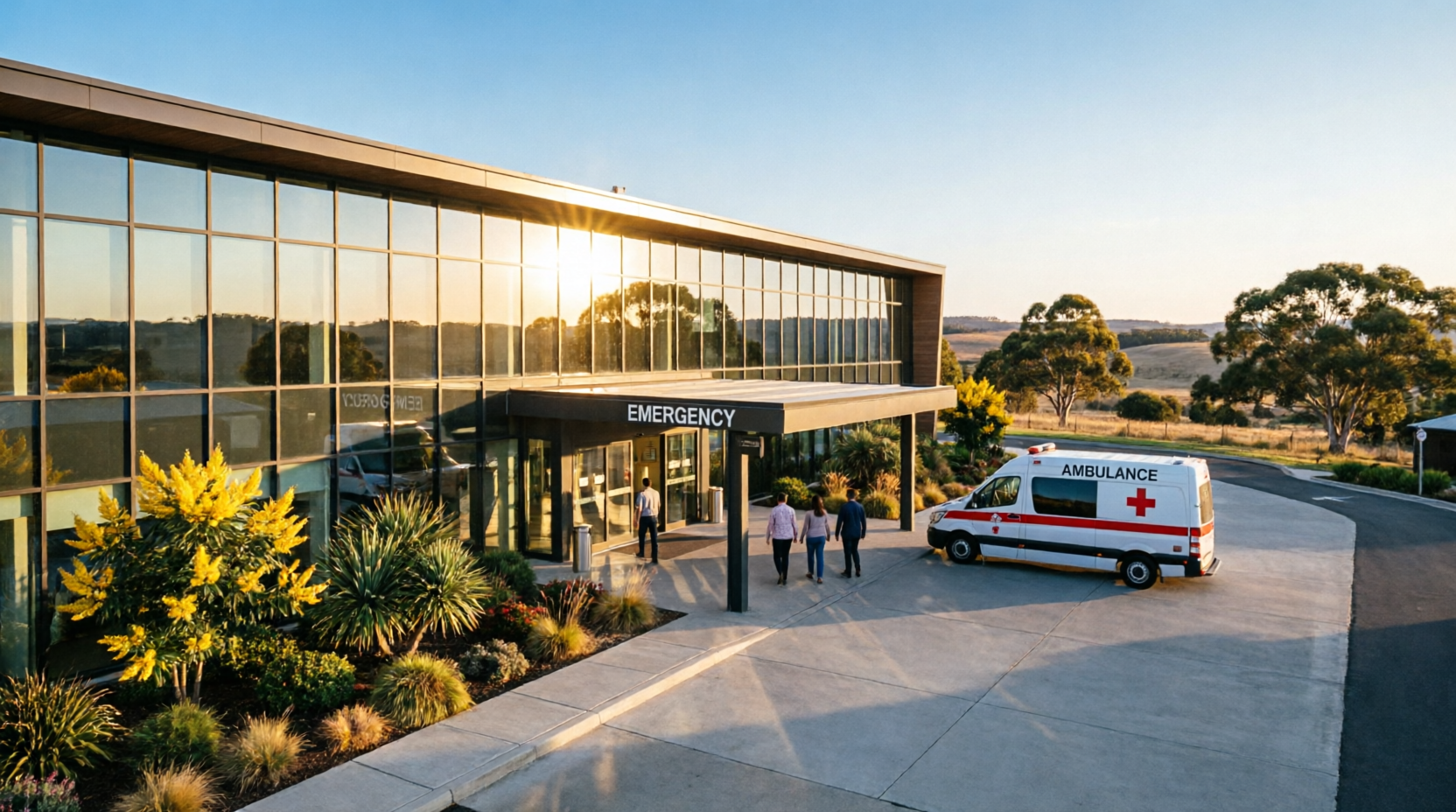
The upgrade program includes specific provisions for the enhancement of emergency and trauma services in regional areas, recognizing that timely access to emergency care is critical for patient survival and recovery. New emergency departments are being designed with increased capacity, dedicated trauma bays, and integrated ambulance access to reduce waiting times and improve patient flow. Regional hospitals are receiving additional intensive care beds and enhanced surgical capabilities, enabling them to manage complex cases that previously required transfer to metropolitan centers. Aeromedical retrieval services are being expanded, with additional aircraft and improved coordination systems ensuring that patients in the most remote areas can be transported to appropriate care within critical timeframes.
Mental health services in regional hospitals are being significantly expanded, with the construction of dedicated inpatient mental health units and the recruitment of additional psychiatrists, psychologists, and mental health nurses. The design of these units emphasizes therapeutic environments, with access to outdoor spaces, natural materials, and calming aesthetics that support recovery and reduce the need for restrictive interventions. Community-based mental health teams are being co-located with hospital services, creating seamless pathways between inpatient and community care and reducing the risk of patients falling through gaps in the system. The expansion addresses the longstanding inequity in mental health service availability between metropolitan and regional areas, where suicide rates and psychological distress have historically been elevated.
The economic impact of the upgrade program on regional communities is expected to be substantial, with construction activities generating thousands of local jobs and supporting regional supply chains. The government has mandated that a minimum of sixty percent of construction expenditure be directed toward local and regional contractors, ensuring that the economic benefits of the program are retained within the communities being served. The expanded hospital facilities will also create permanent healthcare employment positions, providing stable, well-remunerated careers that contribute to the economic vitality and demographic sustainability of regional towns. Regional Development Australia has noted that the presence of modern, well-staffed hospitals is a critical factor in attracting and retaining residents, businesses, and investment in regional areas.
The program incorporates strong environmental sustainability requirements, with all new buildings designed to achieve minimum five-star Green Star ratings. Hospitals will incorporate solar power generation, battery storage systems, rainwater harvesting, and energy-efficient heating and cooling systems, reducing operational costs and environmental impact. The government has committed to achieving carbon-neutral operations for all new regional hospital facilities within ten years of completion, aligning the health sector with broader national climate commitments. Sustainable procurement policies will prioritize locally sourced, recycled, and low-carbon building materials, further reducing the environmental footprint of the construction program.
Community engagement has been integral to the planning and design process, with extensive consultation sessions held in each regional community prior to the finalization of facility designs. Residents, patients, healthcare workers, and local leaders have provided input on service priorities, facility layouts, cultural considerations, and community health needs. The government has established community reference groups for each major hospital project, providing ongoing opportunities for public input during construction and commissioning phases. This participatory approach has built strong community ownership of the projects and ensured that the resulting facilities genuinely meet the needs of the populations they serve.
Prime Minister Anthony Albanese visited a regional hospital construction site to mark the commencement of the program, emphasizing that the investment represents a fundamental commitment to healthcare equity and regional development. “Every Australian deserves access to high-quality healthcare close to home, regardless of whether they live in a capital city or a rural community,” the Prime Minister stated. “This program delivers on that promise, building the hospitals, installing the technology, and training the workforce that regional Australians have been waiting for.” He announced that the government would establish a Regional Health Infrastructure Authority to oversee the delivery of the program, coordinate between federal and state agencies, and ensure that projects are completed on time and within budget. The Authority will publish quarterly progress reports, providing transparency and accountability to the communities that the program is designed to serve. The first completed facilities are expected to open within twenty-four months, with the full program delivered over the subsequent five years.