
231
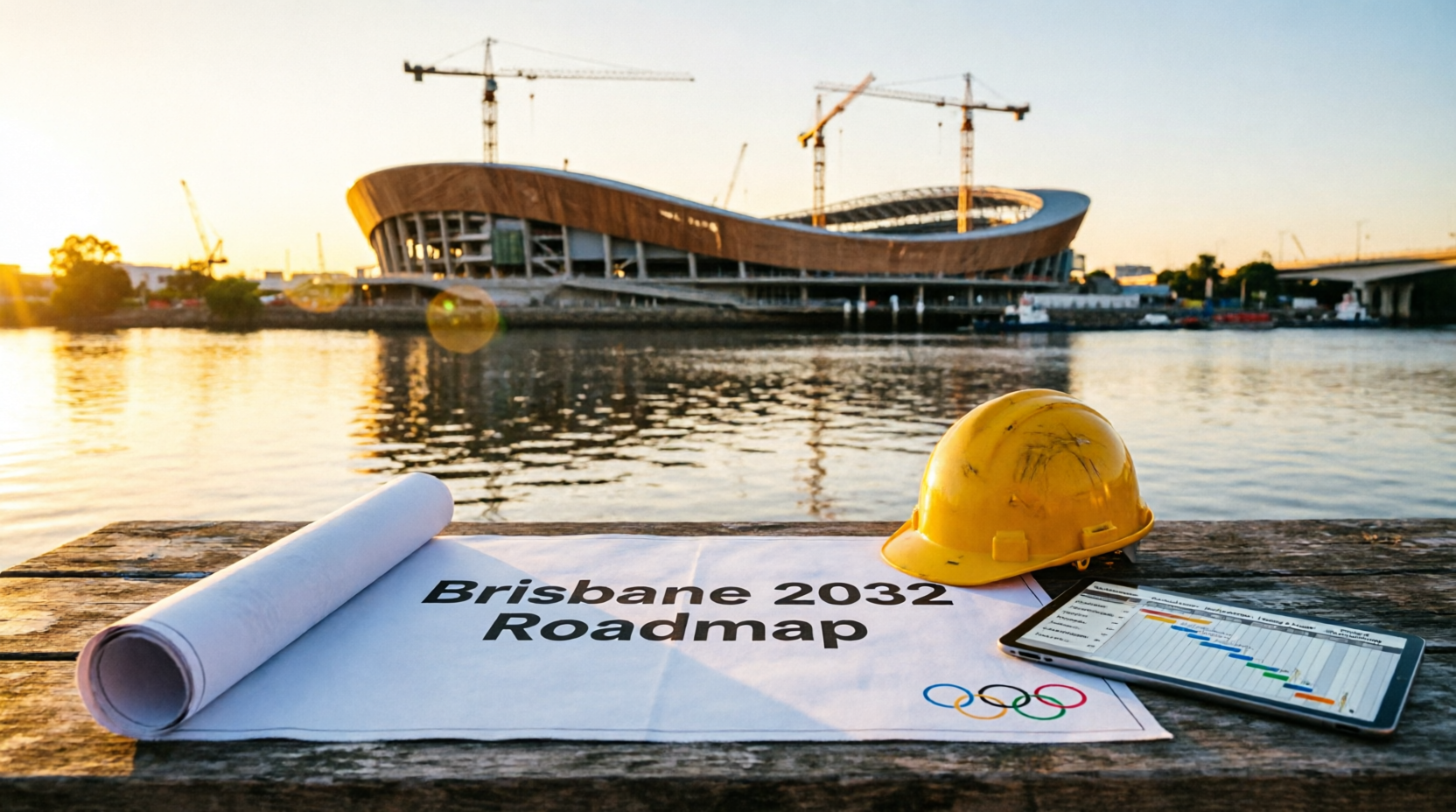
The Australian Olympic Committee has officially unveiled its comprehensive strategic roadmap for the preparation and delivery of the Brisbane 2032 Olympic and Paralympic Games, marking the beginning of an intensive decade-long planning process that will transform Queensland’s sporting infrastructure and elevate Australia’s position on the global sporting stage. The roadmap, developed in close collaboration with the International Olympic Committee, the Queensland state government, and federal authorities, outlines detailed timelines, investment priorities, and legacy objectives that extend far beyond the sixteen days of competition. The announcement was made at a major press event in Brisbane, attended by sporting leaders, government officials, and community representatives from across the nation.
The President of the Australian Olympic Committee described the roadmap as a once-in-a-generation opportunity to redefine what the Olympic Games can mean for a host nation. “Brisbane 2032 is not merely a sporting event; it is a catalyst for urban renewal, economic development, cultural exchange, and national pride,” the President stated. “Our roadmap ensures that every dollar invested, every venue built, and every program delivered creates lasting benefits for Queensland communities and for Australia as a whole.” The plan emphasizes sustainability, accessibility, and community engagement as core principles, with a commitment to delivering the most environmentally responsible Olympic Games in history.
The infrastructure component of the roadmap details the construction and upgrade of over thirty sporting venues across southeast Queensland, with a strong emphasis on utilizing existing facilities wherever possible. The Gabba stadium will undergo a significant redevelopment to serve as the main Olympic stadium, while new venues for aquatic sports, track cycling, and basketball will be constructed in Brisbane’s inner suburbs. The Gold Coast and Sunshine Coast will host sailing, surfing, and marathon events, leveraging their natural coastal environments. Crucially, the roadmap mandates that all new venues must have a confirmed post-Games legacy use, preventing the creation of “white elephant” facilities that have plagued previous host cities.
The athlete development pathway is a central pillar of the roadmap, with a commitment to investing over two billion dollars in high-performance sport programs over the next decade. The Australian Institute of Sport will expand its facilities and coaching capabilities, providing world-class training environments for athletes across all Olympic and Paralympic disciplines. A new National Talent Identification Program will scout and develop young athletes from regional and remote areas, ensuring that talent is nurtured regardless of geographic location. The roadmap also includes comprehensive support services for athletes, including mental health programs, career transition planning, and educational opportunities that prepare them for life beyond competition.
The economic projections associated with the Games are substantial, with independent modeling suggesting that Brisbane 2032 will generate over twenty billion dollars in economic activity and create more than one hundred and twenty thousand jobs across Queensland and the broader Australian economy. The construction phase alone will sustain tens of thousands of trades and professional positions over the next eight years, providing a significant stimulus to the building and engineering sectors. Tourism operators anticipate a surge in international visitors both during the Games and in the years following, as the global exposure positions Queensland as a premier destination for sporting tourism and cultural experiences.